
Review · CABO SAN LUCAS
Cabo epic private surf and video photography adventure
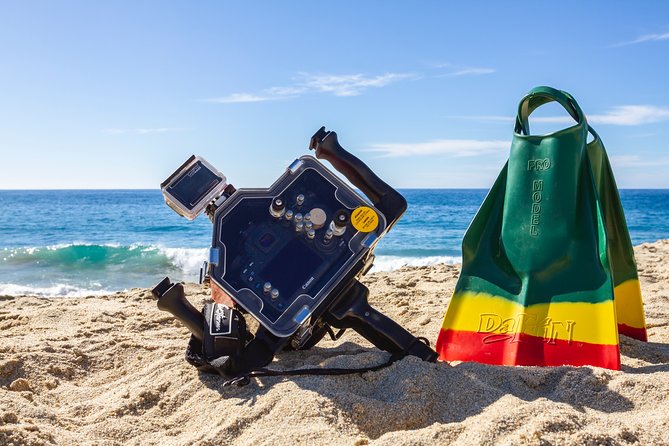
The best part of this Cabo outing is that you are not simply riding waves and hoping someone catches the moment. Professional photographers work from the water and the beach, using housed Canon cameras to capture close action, wide scenes, and the expressions that vanish as soon as your ride ends. Up to four people can share one private session.
I like two things right away. First, Martin and the Cabo Surf Tours team can make the outing useful for learning, not just posing, because the photos let you inspect your stance and timing. Second, the private format keeps your group together instead of placing you in a large class. The main consideration is that this is a short session of about two hours, and the $200 price is much better for four people than for one.
Key points before you book
- Water photography with serious equipment: Canon 7D and 7D Mark II cameras, L series lenses, and Nimar water housings are used for sharp action shots from inside the lineup.
- Private group of up to four: You share the activity only with your own group, which suits couples, families, and surf friends.
- Two shooting positions: Photographers work from the water and the sand, giving you both close wave shots and wider portraits of the session.
- Useful for beginners and improving surfers: The pictures can show body position, wave timing, and what happened during a ride.
- About two hours in Cabo San Lucas: This is a focused photo session rather than an all-day surf program.
- Flexible weather policy: Poor weather may lead to a new date or a full refund, while cancellation by you is free up to 24 hours ahead.
Why the camera is part of the surf lesson
Surf photos often look simple until you try to take one. A person is moving quickly, spray is flying, and the photographer needs to be in the right place at the right instant. Here, the camera setup is built for that problem.
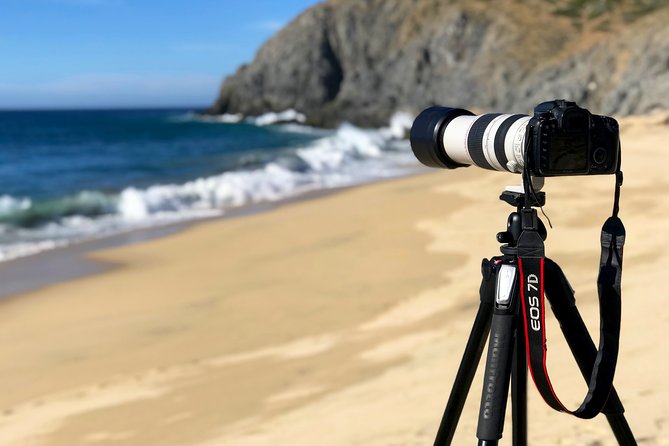
The Canon 7D and 7D Mark II bodies are paired with L series lenses. The 100 to 400 millimeter lens can frame a surfer from the beach or from a safe distance, keeping the subject large in the image. The 8 to 15 millimeter fisheye lens creates a close, dramatic view from the water. The 17 to 40 millimeter wide-angle lens can show more of the wave, the lineup, and the setting around you.
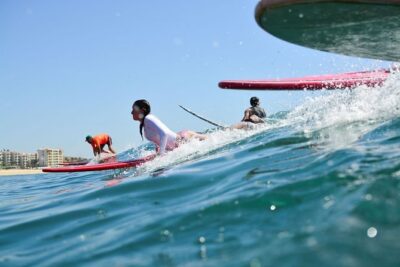
The cameras sit inside Nimar water housings. That matters because the photographer can work in the surf instead of shooting only from shore. Water-level pictures often show the face of the wave, your expression, and the shape of the ride in a way a distant beach photo cannot.
I especially like the learning value. A beginner may remember only that a wave felt exciting, but a photo can show whether your weight was too far forward, your knees were bent, or your eyes were looking in the right direction. An experienced surfer may spot the small details that are difficult to feel while moving.
This is not a substitute for a full coaching program, and the advertised session is about two hours. Still, a strong set of images gives you something concrete to study after the saltwater is gone.
More Private Surf Lessons in Mexico
- Private Surf Lesson Experience at Puerto Vallarta
★ 5.0 · 115 reviews - 2 Hour Private Surfing Experience in Puerto Vallarta
★ 5.0 · 46 reviews - Private Surf lessons at Cerritos
★ 5.0 · 23 reviews
A private Cabo session, not a crowded class
The activity is private, with only your own group participating. That is a major difference from a large surf-school lesson. If your group has mixed ability levels, you can enjoy the same outing without being folded into a class of strangers.
The limit is four people. For a family, that might mean parents and children sharing one memory. For a couple, it gives you room to take turns in the water and still have the photographer focus on both surfers. A small group of friends can also split the cost and keep the mood relaxed.
The private setup can be valuable for new surfers who feel self-conscious. You are not trying to catch a wave while a large class waits behind you. The team can give attention to your group, and the camera records progress rather than just a single lucky ride.
That said, private does not mean unlimited. A four-person group will need to share the shooting time. If everyone wants many individual rides and close coaching, two people may get more personal attention than four. Ask how the time will be divided if your group includes several beginners.
What the two-hour outing should feel like
The experience starts in Cabo San Lucas and ends back at the meeting point. The exact surf location is not specified in the activity details, so confirm the meeting instructions and beach plan before you go.
The opening part should focus on getting your group ready for the water and setting expectations for the photo session. If you are new to surfing, use this time to explain your comfort level clearly. Previous service arrangements have included boards and door-to-door pickup and drop-off, but those details should be confirmed for your specific booking rather than assumed.
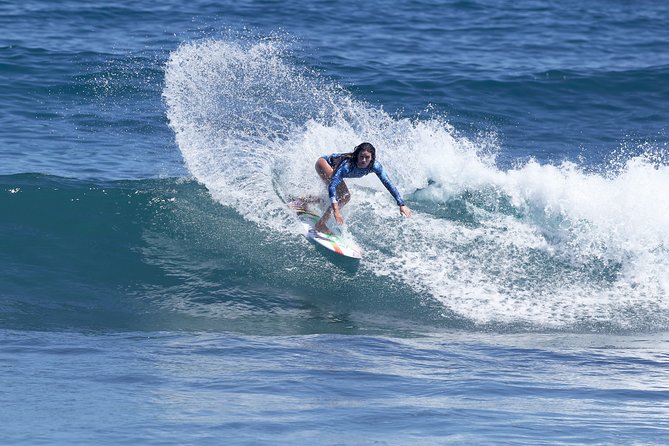
Once you are in the water, the photography takes place from two angles. A water photographer can get close to the action, while a photographer on the sand can capture longer rides and the broader shape of the wave. This combination is one of the most useful features of the outing because it gives you more than a stack of similar shots.
You should expect to spend the session riding, resetting, and trying again. The camera team needs enough time to catch several attempts, so do not judge the experience by the first wave. Surf photography is dependent on timing, position, and conditions.
The final part is about wrapping up at the meeting point and receiving the images. One account describes downloading the photographs after returning home, which is useful to know if you want to share them later or inspect your technique on a larger screen.
What the photographs can show you
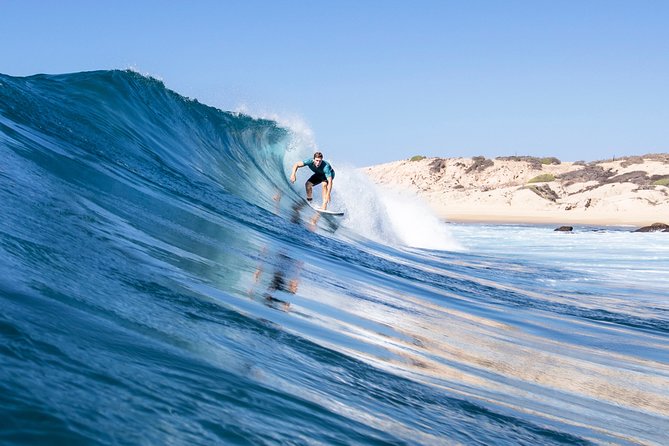
A good surf photograph records more than a face on a board. It can show the instant you catch the wave, the position of your arms, the bend in your knees, and the direction of your eyes. It can also capture the expression that appears when a ride finally works.
The water shots are likely to be the most personal. The photographer may be close enough to show spray, the wave wall, and your reaction. The fisheye lens is suited to this kind of dramatic view, though its shape can look different from a standard portrait.
Beach shots serve another purpose. The 100 to 400 millimeter lens can isolate the surfer from shore and show the whole movement of the ride. These images may be easier to study because they present the board and body in a wider sequence.
The wide-angle lens gives the session a sense of place. It can include more of the beach, the group, and the wave rather than focusing only on one person. If you want a balanced collection of memories, the mix of lenses is a real advantage.
Image quality also depends on conditions. Bright sun, spray, wave shape, and your position in the lineup all affect the final result. Professional equipment improves the odds, but it cannot guarantee that every photo will be perfect or that every person will get the same number of standout frames.
Same break, a different way into the water:
- Los Cabos Surf Lesson at Costa Azul
★ 5.0 · 398 reviews - 2-Hour Surf Lesson in the Waves of Puerto Escondido
★ 5.0 · 177 reviews - Surf lessons in Puerto Vallarta and Nayarit
★ 5.0 · 137 reviews - Fun 2 hr Surf Lessons in Punta de Mita
★ 5.0 · 92 reviews
Martin, Emiliano, and the teaching side
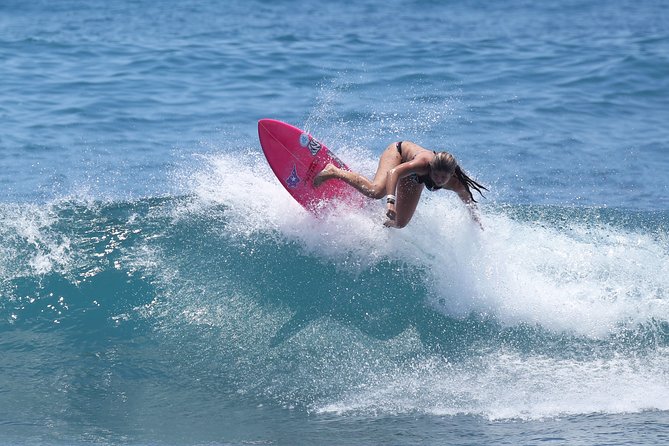
Martin is identified as the owner, guide, and photographer, and Emiliano has also worked with the team. Their role appears to combine surf instruction, water safety, local guidance, and photography.
That blend is particularly useful for beginners. A new surfer needs more than a camera operator. You need someone who can explain what to do on the beach, help you make changes in the water, and understand when a photograph will tell the story clearly.
The teaching style described for this service includes beach instruction and one-on-one help in the water. Constant feedback can make a big difference when you are still learning how to paddle, stand, and keep your balance. The private format gives the team a better chance to adjust advice to your level.
Still, keep the product you are booking in mind. This particular experience is presented as a surf video and photo adventure lasting about two hours. The service has also offered half-day private surf lessons, but you should not assume that a half-day lesson, extensive coaching, or a remote beginner beach is included in this shorter booking unless confirmed.
Martin’s personal role is a plus if you want a more informal outing. The service has been described as friendly and easy to spend time with, which matters on an activity where you may be nervous before entering the water.
What is included, and what to confirm
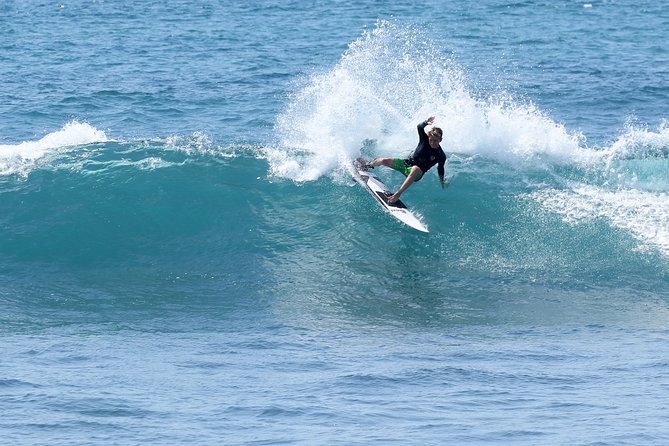
The clearest inclusions are the private session, professional photo equipment, water housings, and access to photographs that document the surf experience. The activity is also offered with a mobile ticket, so you can keep the booking details on your phone.
The wider service has included boards, food, snacks, drinks, and pickup and drop-off. Those extras could make the day much easier, but the information for this specific photo session does not spell out every inclusion. I would confirm four points before paying:
- Is transportation from your hotel included?
- Are boards supplied for every participant?
- Are food, snacks, and drinks part of this exact two-hour booking?
- How and when will the finished photographs be delivered?
These are simple questions, but they prevent a mismatch between a short photo session and a full surf day.
Service animals are allowed, and most people can participate. The activity requires good weather. If poor weather forces cancellation, you are offered another date or a full refund.
Is $200 a fair Cabo price?
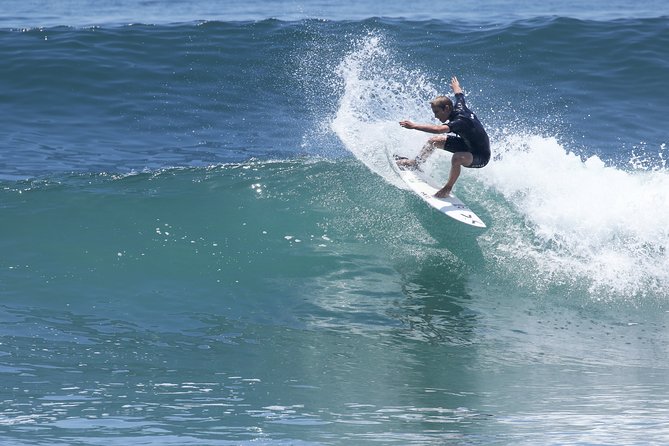
The price is $200 per group, with up to four people. At the maximum group size, that works out to $50 per person. For two people, it is $100 each, and for one person, the full cost falls on one surfer.
That pricing favors a small group. A couple who wants a private record of a shared surf day may find it reasonable, especially if the photography is a key reason for booking. A family or group of four gets the strongest value because the private photographer, specialized gear, and water access are shared.
You are paying for more than a standard lesson snapshot. The package uses several professional lenses and waterproof housings, and the photographer works from both the beach and the water. Those details explain why the cost is higher than handing a phone to someone on shore.
The value is weaker if you only want casual beach pictures or if you are unsure that you will surf. It is also less attractive for a solo participant unless documenting the session is very important to you. Since the tour is only about two hours, compare it with any longer surf lesson you may be considering. The benefit here is focused photography and privacy, not a full day of instruction.
Who will get the most from this experience?
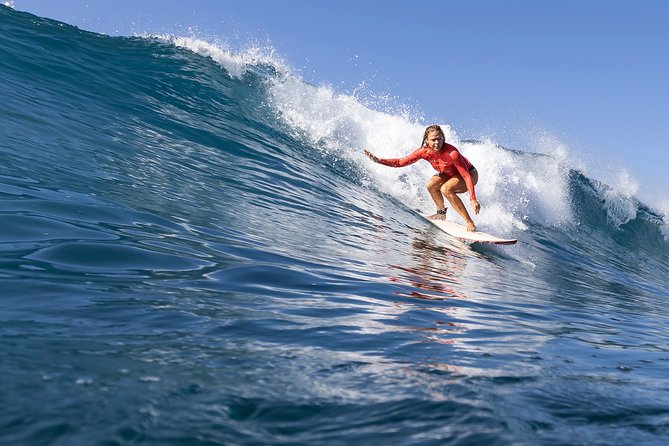
I would consider this a strong match for a beginner who wants proof of progress. Photos can turn vague advice into something you can see. They also give you a keepsake from a first surf attempt, even if the waves do not produce a long ride.
It suits couples who want an active Cabo memory rather than another afternoon at the pool. You can share the water, support each other, and receive pictures that include both the action and the reaction.
Families should think about age, comfort, and group timing. The data says most people can participate, but it does not provide age limits or specific physical requirements. If children are joining, ask the operator about the wave conditions and how the session is adjusted for them.
Experienced surfers may appreciate the lenses and water-level angles. You can use the pictures to check technique, body position, and wave selection. Just remember that a two-hour photo session may not offer the same detailed coaching as a dedicated surf clinic.
This is less suitable for someone who wants a silent, self-directed surf. The team is part of the experience, and the value comes from their ability to photograph, guide, and offer feedback.
Cancellation, weather, and practical timing
You can cancel for a full refund up to 24 hours before the local start time. Changes or cancellations made less than 24 hours ahead are not accepted for a refund.
Weather is important for both surfing and photography. If the operator cancels because conditions are poor, you can choose another date or receive a full refund. That policy gives you some protection, but it also means you should avoid scheduling the activity as the only fixed highlight of a very short Cabo stay.
Confirmation is normally sent at booking. If you book within 12 hours of the start time, confirmation arrives as soon as possible and depends on availability. For a last-minute reservation, check your phone and make sure the meeting details are clear before heading out.
Should you book the Cabo surf photo adventure?
Book it if you want a private surf memory with real action photography, not just a lesson and a few phone shots. It is especially appealing for a group of up to four, a beginner who wants useful visual feedback, or a couple looking for a personal Cabo activity.
Think twice if you are traveling alone on a tight budget, need a full-day surf lesson, or expect every extra, including transport, boards, food, and drinks, to be guaranteed. Confirm those details first.
For the right group, the combination of water-level photos, beach shots, private attention, and professional lenses gives the $200 fee a clear purpose. You leave with more than a story about catching a wave. You get a visual record that can show exactly what happened.
FAQ
How long does the surf photo experience last?
The activity lasts approximately two hours.
How many people can join?
Up to four surfers can participate in the same private session.
Is this a private activity?
Yes. Only your group participates.
Where does the experience start and end?
It starts in Cabo San Lucas, BCS, Mexico, and ends back at the meeting point.
What camera equipment is used?
The team uses Canon 7D and 7D Mark II cameras, L series lenses, and Nimar water housings. The lenses include 100 to 400 millimeter, 8 to 15 millimeter fisheye, and 17 to 40 millimeter wide-angle models.
Are photographs taken from the water?
Yes. Photographers shoot from inside the lineup as well as from the sand.
Can beginners participate?
Most people can participate, and the service has provided instruction and in-water feedback for beginners. The activity details do not list a specific skill requirement.
What happens if the weather is poor?
If poor weather causes the activity to be canceled, you are offered a different date or a full refund.
What is the cancellation policy?
You can cancel at least 24 hours before the start time for a full refund. Cancellations or changes made less than 24 hours before the activity are not accepted for a refund.
More Surf Lessons with Photos in Mexico
- Tenerife: Surfing Lesson for All Levels, Photos included
★ 4.9 · 1,314 reviews - Valencia: Jet Ski Tour + Paddle Surf + Photos + Free drink
★ 4.8 · 246 reviews - Surf in Tenerife – Photos Included & Stand Up From Day One
★ 4.7 · 190 reviews - Barcelona: Sunrise or Sunset Paddle Surf with Photos
★ 4.4 · 184 reviews
Just added for surfers in Mexico
- Ultimate Surf Lesson in Tulum 1hr★ 5.0 · 3 reviews
- Basic Surf Lessons in Tulum★ 5.0 · 21 reviews
- Surf Lesson for Beginners in Sayulita & Punta de Mita★ 5.0 · 3 reviews
- Sunset Surfing Trip to Secluded Beach with Certified Instructors★ 5.0 · 2 reviews
- Baja Surf Expeditions★ 5.0 · 27 reviews
- Cabo full day surf lesson and offroad baja beach adventure★ 5.0 · 18 reviews
- 120 Min Surf Lesson / Great for All Levels★ 5.0 · 8 reviews
- Surf Lessons in CABO with Mexico Surf Champ!★ 5.0 · 18 reviews
Mexico Surf Lessons, compared.
Private Surf Lesson Experience at Puerto Vallarta
Read our review →
Browse the lists this tour appears in