
Review · MACHICO
Madeira: Surf Lessons
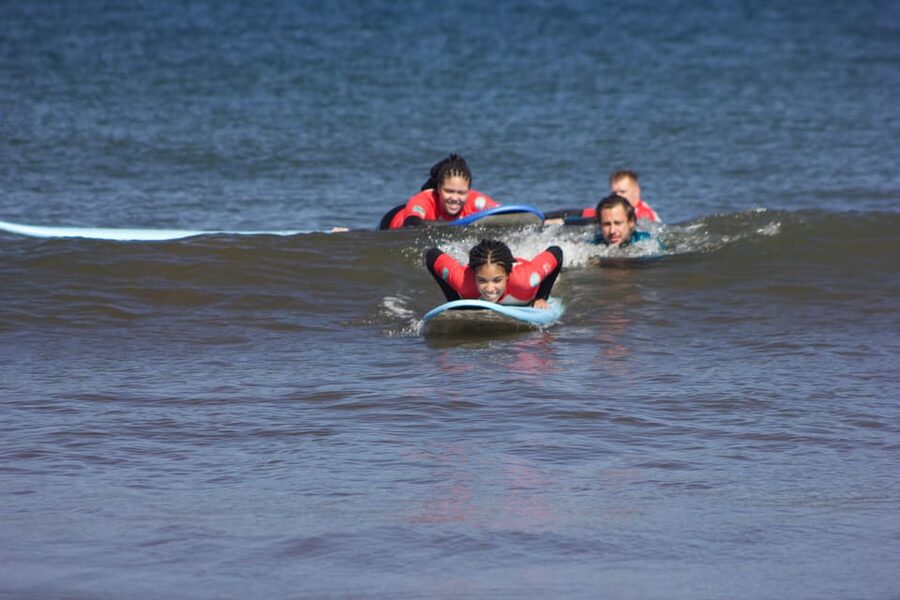
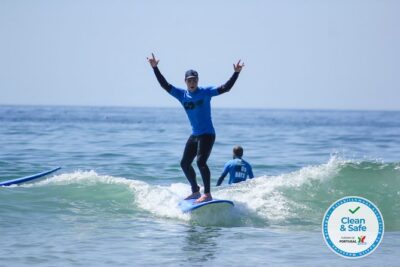
Madeira’s Atlantic coast gives this lesson its real appeal: you are not practicing on a dry beach for hours before reaching the water. After a short safety briefing and warm-up, you get a surfboard, pull on a wetsuit, and work toward catching a wave with an instructor close by. Small groups of six or fewer mean you should get useful attention instead of being lost in a crowd.
I especially like the mix of good equipment and patient coaching. The softboards are a sensible choice for beginners, and the instructor stays involved as you try to paddle and stand. I also like that the lesson works for several skill levels and is offered in French, English, and Portuguese. The main consideration is the short two-hour format: it is enough for a first taste, but not enough to turn a complete beginner into a polished surfer.
Key points
- A maximum of six people per coach gives the session a personal feel.
- Softboards, surfboards, wetsuits, and insurance are included in the price.
- Hands-on help with the pop-up gives beginners a clear goal for the lesson.
- French, English, and Portuguese instruction makes communication easier.
- Atlantic views and changing waves add a strong Madeira setting to the activity.
- Transport, towels, water, snacks, and watershoes are not included, so plan ahead.
Your First Two Hours on a Madeira Surfboard
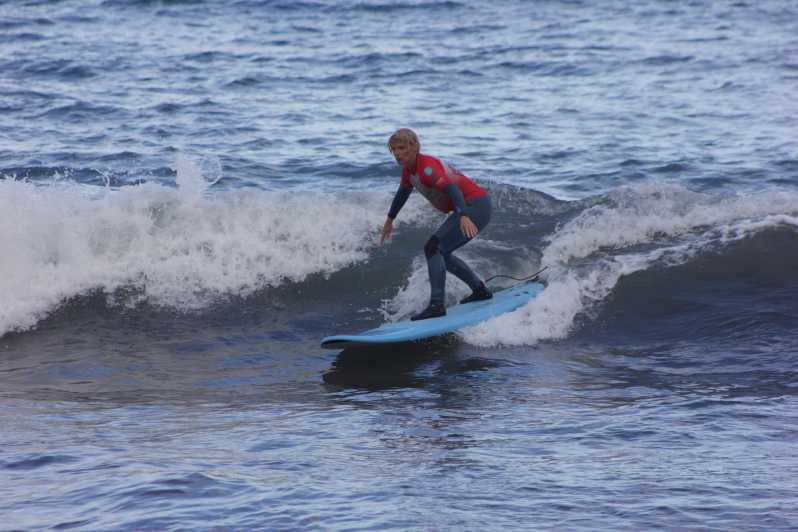
This is a short, active lesson built around one basic aim: helping you catch and ride a wave. The experience begins when you meet at the Dom Pedro Madeira Hotel swimming pools, or at another meeting point if that has been indicated to you.
From there, the beach becomes your classroom. You can expect crashing waves, clear blue water, and a coastal setting that feels far removed from a hotel pool lesson. The exact beach is not specified in the activity details, so check the meeting instructions before setting out. Transport is not included, which means you must arrange your own way to the meeting point and beach if they differ.
The two-hour schedule matters. You will not spend the whole period in the water. Some of your time goes toward getting equipped, warming up, learning basic ocean awareness, and practicing the movement needed to stand on the board. That is normal for a first lesson, but it means you should arrive ready to make the most of every minute.
More Surf Lessons in Portugal:
- Matosinhos: Surfing Lesson with Equipment
★ 4.8 · 926 reviews - Lisbon Surf Experience
★ 4.9 · 876 reviews - Albufeira: Surf Lesson
★ 4.7 · 699 reviews
Safety Briefing, Wetsuit, and Softboard
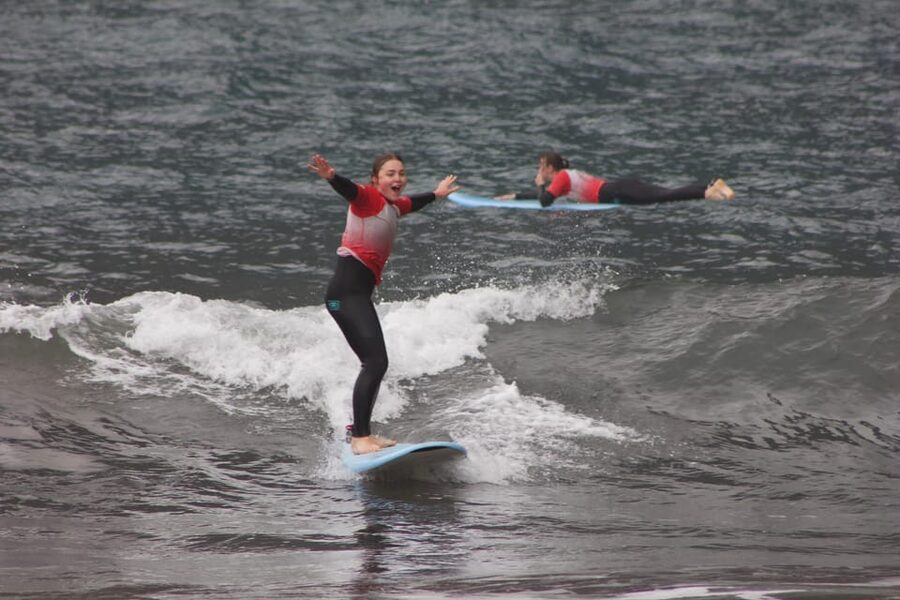
The session starts with an introduction from the instructor and a safety briefing. This part may feel less exciting than the first ride, but it is valuable. Surfing is not just about balance. You need to understand the water around you, how to handle the board, and how to move with some control.
You receive a wetsuit and a board suited to your size and ability. Softboards are particularly useful for beginners because they provide a forgiving surface while you learn. The included equipment saves you from arranging a separate rental, and insurance is included as well.
Bring beachwear, a towel, and a change of clothes. Towels are not supplied, and neither are water, food, or snacks. Watershoes and flipflops are also not included. Since you will be wet and likely sandy afterward, a dry change of clothes is more than a minor comfort.
Alcohol and drugs are not allowed. The activity is also not suitable for children under 10, non-swimmers, pregnant women, wheelchair users, or people with several listed medical concerns, including back problems, respiratory issues, recent surgery, a cold, seasickness, visual impairment, or other pre-existing conditions. If any of these apply to you, this is not the right activity to book without specific medical guidance.
Learning the Pop-Up Before the Waves Take Over
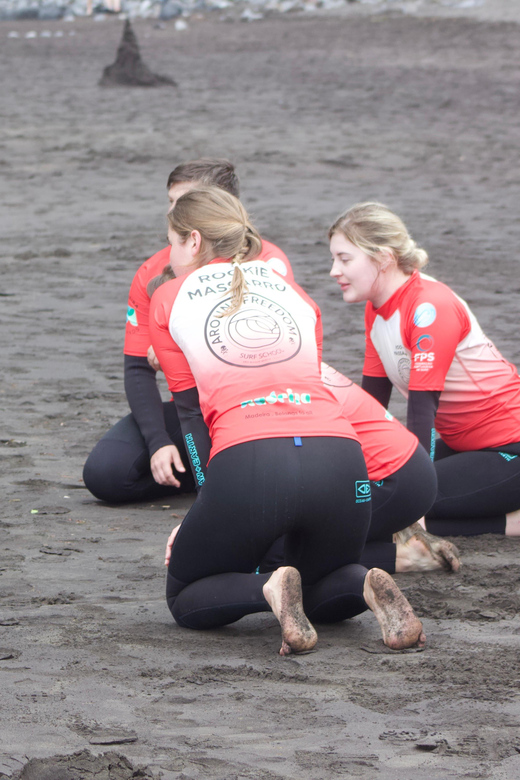
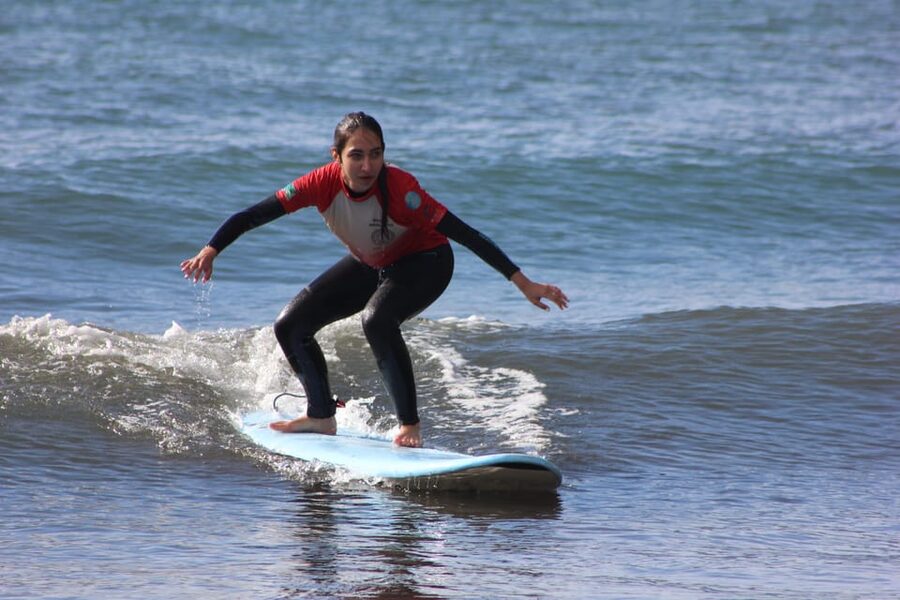
Before entering the water, your coach covers the building blocks of surfing. You practice ocean awareness, paddling technique, and the pop-up, which is the quick movement from lying on the board to standing on it.
The pop-up is where many first-time surfers discover that surfing is harder than it looks. You need to place your hands correctly, bring your feet underneath you, and find a stable stance before the wave carries you toward shore. The instructor’s demonstration and corrections are important here, especially because small changes in foot position can affect your balance.
I like that the lesson focuses on practical skills rather than treating the board as a floating platform. You are not simply pushed into the water and told to try your luck. The warm-up and basic instruction give you a clear sequence to follow.
Still, keep your expectations sensible. In two hours, success may mean standing briefly, improving your balance, or learning how to read the first part of a wave. A long, controlled ride is a bonus, not a guarantee. Surf conditions change, and your result will depend on your previous experience, comfort in the water, and the waves available that day.
Catching Your First Wave in a Six-Person Group
Once the basics are covered, you head into the Atlantic with the instructor nearby. You paddle toward the incoming waves and wait for a suitable opportunity. The coach helps you judge when to paddle, when to shift your weight, and when to attempt the pop-up.
This is where the small group makes a difference. With one coach for a maximum of six people, you should have a better chance of receiving direct feedback than you would in a large class. You will still share the water and coaching time, so do not expect a private lesson, but the ratio is strong for a group activity.
The strongest part of the experience is the encouragement between attempts. Surfing involves plenty of failed pop-ups, missed waves, and boards that seem to have their own plans. A supportive instructor can keep the mood light while pointing out one useful correction at a time.
The coaching has earned particular praise for helping participants catch waves. That detail matters more than a long technical talk. For a first lesson, getting into position and feeling the board glide toward shore is the moment that makes the effort worthwhile.
The group setting also has a social advantage. You can watch other beginners work through the same problems, share the excitement when someone gets upright, and enjoy the lesson without feeling that every mistake is being judged. The tone is intended to be fun and supportive, though you should still be comfortable taking part in a physical group activity.
Same break, a different way into the water:
- Porto: Small Group Surf Lesson with Transportation
★ 4.9 · 594 reviews - Albufeira: 2-Hour Falesia Beach Surf Lesson
★ 4.8 · 464 reviews - Albufeira: Learn to Surf in Chill Beach Vibes & Good Times
★ 4.7 · 439 reviews - Surf Experience in Cascais
★ 5.0 · 423 reviews
Madeira’s Coast Between Attempts
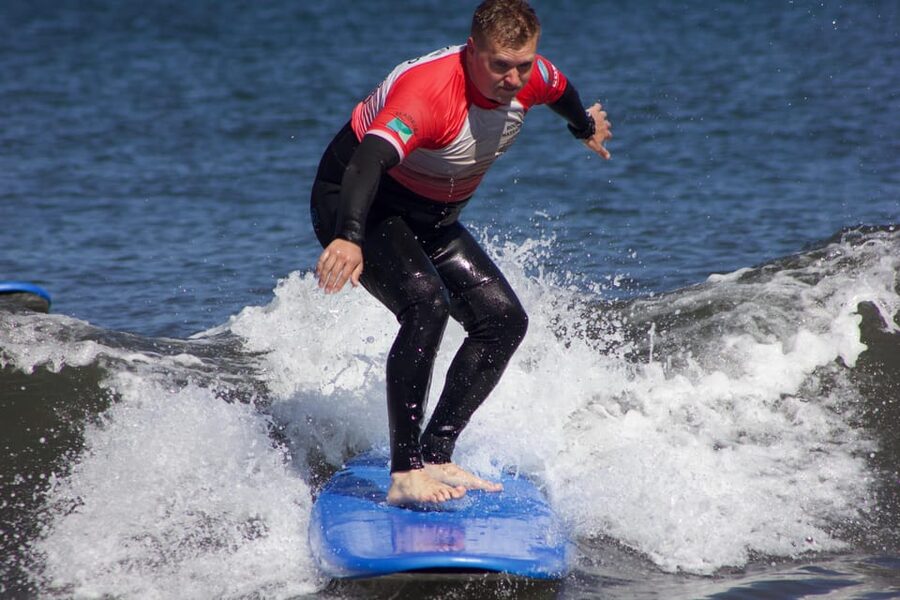
Surfing takes concentration, but the breaks between rides give you time to look around. You can take in the Atlantic water, the beach, and Madeira’s coastal scenery while catching your breath.
The setting adds real value to the lesson. If you are choosing between a standard surf class and one in Madeira, the island location gives the activity a stronger sense of place. You are not only learning a new skill. You are spending part of your day beside the ocean, with the coast as your backdrop.
The activity description calls the water crystal clear and the beaches beautiful, but conditions are never identical from one session to the next. Waves may be easy for one group and more demanding for another. That unpredictability is part of surfing, though it can also mean that your experience does not match your ideal picture of a perfect ride.
You should also remember that no transport is included. If the meeting point and beach are different, you need to follow the instructions provided to you and plan your own transport. That is a small but important detail when comparing this lesson with activities that collect you from your hotel.
What $82 Gets You
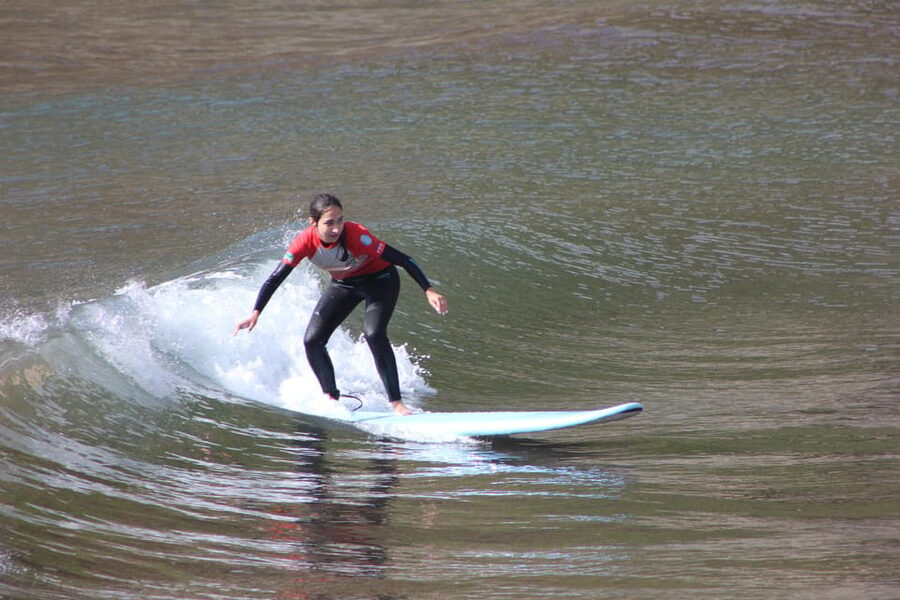
At $82 per person, the price is reasonable if you want a guided introduction rather than simply renting a board. The fee includes a surfboard, softboard, wetsuit, one coach for up to six people, and insurance.
The main value lies in the instruction. A board and wetsuit alone will not tell you how to read a wave, paddle safely, or stand without putting yourself or others at risk. The coach’s presence turns equipment rental into a structured lesson with feedback.
The group size also helps the price make sense. You are not paying for a fully private session, but six people per instructor is limited enough to offer personal help. If your main goal is to try surfing once during a Madeira visit, the package covers the essentials without requiring you to organize separate rentals.
There are extra costs and small packing needs. You must provide your own transport, towel, water, snacks, watershoes or flipflops, beachwear, and change of clothes. None of these items is surprising, but they affect the true cost and comfort of the outing.
The flexible booking terms add practical value. You can reserve now and pay later, and cancellation is free up to 24 hours before the activity for a full refund. That helps if your Madeira plans are still changing.
Who Will Enjoy This Surf Lesson Most
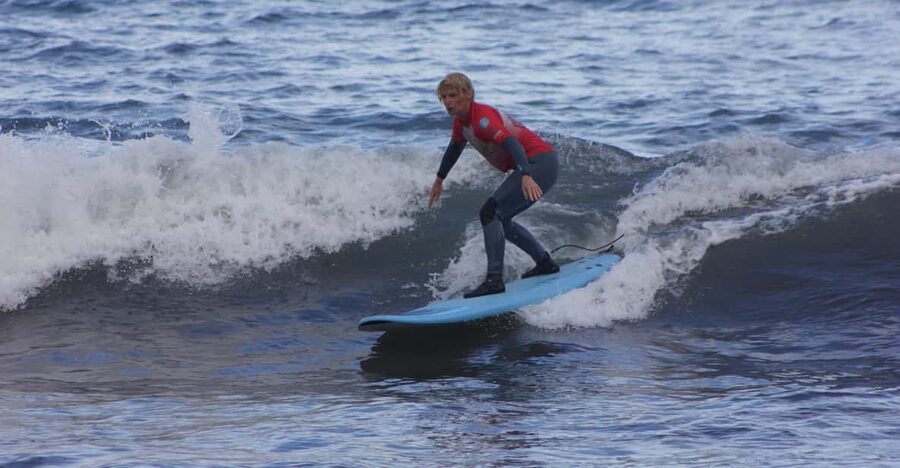
This activity fits a first-time surfer who can swim, feels comfortable in the sea, and wants a guided introduction rather than a full-day training program. It also suits someone who likes learning in a small social group and does not mind making several attempts before getting a clean ride.
You do not need to arrive with surfing experience. The lesson covers the basic movements, and the instructor adjusts help for different skill levels. If you have surfed before, the session may still be useful as a refresher, though advanced surfers may find the two-hour beginner focus too limited.
The activity is not a good choice if you dislike physical exertion, feel unwell, or have one of the listed conditions. It is also unsuitable for non-swimmers. The water may look inviting, but surfing requires enough comfort in the ocean to follow instructions and manage the board.
Language should be straightforward for many people. Instruction is available in French, English, and Portuguese. No individual instructor names are provided, but the coaching style is clearly central to the experience, with close help during wave attempts and advice at the end.
The Final Review and Next Steps
The lesson ends with a review of your progress. Your instructor gives personal tips to help you continue working on your technique, whether that means improving your paddle, changing your stance, or making the pop-up smoother.
This closing advice is useful because the session moves quickly. You may remember the thrill of a ride but forget exactly what you did differently that time. A short review helps turn a fun morning into something you can practice again.
I would not book this expecting a complete course in surfing. I would book it to get a taste of the sport, learn the basic movements, and find out how you feel on a board. The combination of small-group coaching, included equipment, and a scenic Atlantic setting gives you a fair amount for the price.
Should You Book Madeira Surf Lessons?
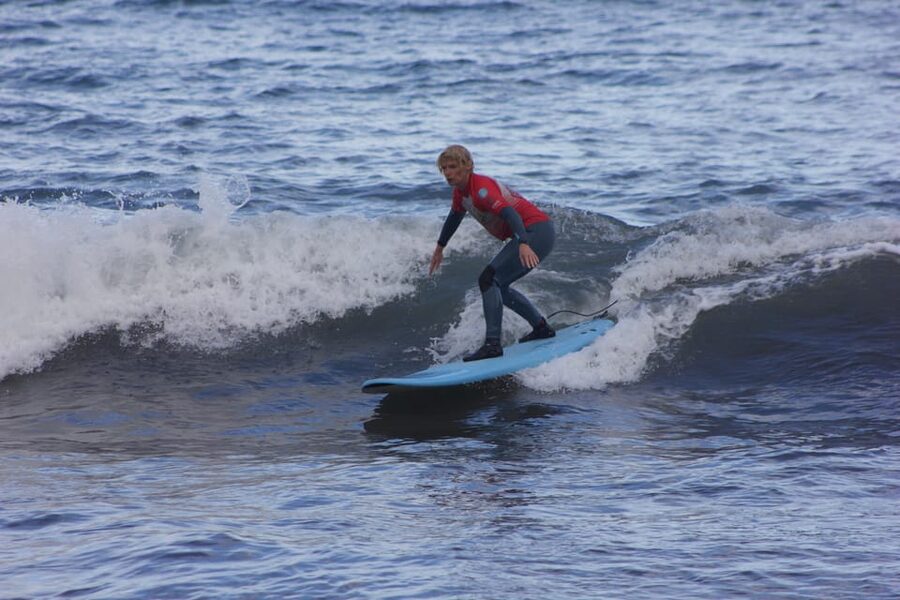
Book this experience if you can swim, want an active two-hour outing, and like the idea of learning with a friendly coach in a group of no more than six. It is especially suited to beginners who want a real attempt at catching waves without arranging equipment or instruction separately.
Skip it if you need transport, cannot take part in ocean activity, or want a long, advanced surf session. The short duration and shared coaching mean the experience has limits, but for a first try in Madeira, those limits are clear and manageable. Bring your towel, water, change of clothes, and realistic expectations. The goal is not perfection. It is getting upright, feeling the board move, and deciding if you want another lesson.
FAQ
Where does the surf lesson meet?
The meeting point is at the Dom Pedro Madeira Hotel swimming pools, or at another location when that has been indicated to you.
How long does the surfing activity last?
The activity lasts two hours. Starting times depend on availability.
What equipment is included?
Surfboards, softboards, wetsuits, and insurance are included. One coach teaches a maximum of six people.
What should I bring?
Bring beachwear, a towel, and a change of clothes. Water, food, snacks, and watershoes or flipflops are not included.
What languages do the instructors speak?
Instruction is available in French, English, and Portuguese.
Can children join the lesson?
Children under 10 years old are not suitable for this activity.
Can I cancel or pay later?
You can reserve now and pay later. Cancellation is free up to 24 hours in advance for a full refund.
Just added for surfers in Portugal
- Tricana Surf Experience★ 5.0 · 3 reviews
- Exclusive Surf Lessons in S Miguel Azores★ 5.0 · 21 reviews
- Guided surf tours from Porto city to the beach★ 4.5 · 10 reviews
- Surfing Lesson | Porto: Small Group Surf Lesson with Transportation★ 5.0 · 34 reviews
- Self-guided tour Bike + Surf★ 5.0 · 6 reviews
- Private Surf Experience – Transfer to Matosinhos – All Levels★ 5.0 · 7 reviews
- Surf Lessons in Porto with transfer at Porto Surf School★ 5.0 · 42 reviews
- Surf Lesson | Surf Lessons★ 5.0 · 39 reviews
Portugal Surf Lessons, compared.
Learn to Surf in Chill Beach Vibes & Good Times
Read our review →
Browse the lists this tour appears in