
Review · ADELAIDE
Adelaide: Surfing Lesson at Middleton Beach with Equipment
Standing up on a surfboard for the first time is a small triumph, but it rarely happens by accident. At Middleton Beach, you begin on sand with a soft board, learn how to handle yourself in the water, then work toward catching a wave with an English-speaking coach nearby. Safety comes first, which matters when the sea feels less friendly than it looks.
I like the modern equipment rotation, with boards and wetsuits replaced on a 12-month schedule, and I like the useful preparation sent after booking: three e-books and instructional videos. The main caution is group size. A class of 15 with two coaches can mean less individual help, especially when you are still trying to remember which way to stand.
Key points before you book
- Two hours at Middleton Beach: Enough time for a beach briefing and practical time in the water without making a first lesson feel endless.
- Soft boards and wetsuits included: You do not need to hire the main equipment separately.
- Safety instruction before the waves: The coach explains how to behave in the water before the class heads out.
- Good support for first attempts: Coaches help people catch early waves, then give them room to try on their own.
- Preparation starts at home: Three e-books and instructional videos cover the basics before class.
- Best for swimmers aged seven and over: Non-swimmers and children under seven cannot take part.
Middleton Beach is your first classroom
The meeting point is the beach parking lot at the end of Chapman Road in Middleton. That detail matters. You are not heading to a shop in central Adelaide and then waiting for a separate transfer to the coast. You meet close to the water, where the lesson can move from equipment fitting to instruction without much fuss.
Middleton sits on South Australia’s Fleurieu Peninsula, a pleasant setting for a first surf lesson. The appeal here is not just the sport. You get open coastal scenery, the sound of the water, and a proper beach setting instead of a swimming-pool simulation.
Allow time to arrive, find the parking area, and get ready before the two-hour session begins. The exact start time depends on availability, so check it carefully when booking. Bring swimwear, a towel, and water. Sunscreen is included, but I would still arrive prepared for time outdoors.
More Surf Lessons in Australia:
- Bondi Beach: 2-Hour Surf Lesson Experience for Any Level
★ 4.9 · 935 reviews - Byron Bay: 2-Hour Small Group Surf Lesson
★ 4.8 · 657 reviews - Noosa Heads: 2 Hour Surf Experience on the Sunshine Coast
★ 4.9 · 644 reviews
Getting fitted with the right gear
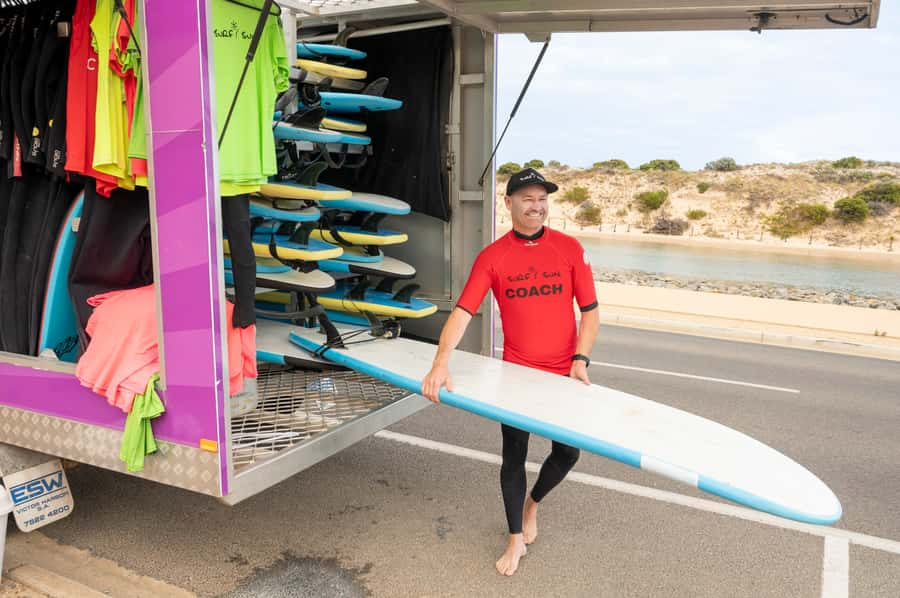
The session includes a wetsuit, rash shirt, soft surfboard, and sunscreen. You are fitted for the wetsuit and board before the practical work begins. For a beginner, this is a real benefit. A poor-fitting wetsuit can distract you from the lesson, while a board that feels too small or unstable can make your first attempts needlessly hard.
The soft board is the sensible choice for new surfers. It is designed for learning and feels less intimidating than a hard board when you are climbing on, falling off, and trying again. You still need to handle it carefully, but the setup is aimed at learning rather than showing off.
The equipment is used on a 12-month rotation policy. That does not mean every item will look brand new on the day, but it does indicate a regular replacement cycle. You can expect current boards and wetsuits rather than gear that has been kept in service for years without attention.
You still need your own swimwear, towel, and water. Those are easy items to overlook when you are focused on the board. Non-swimmers cannot participate, so this is not a gentle substitute for swimming lessons.
The beach briefing makes the water less confusing
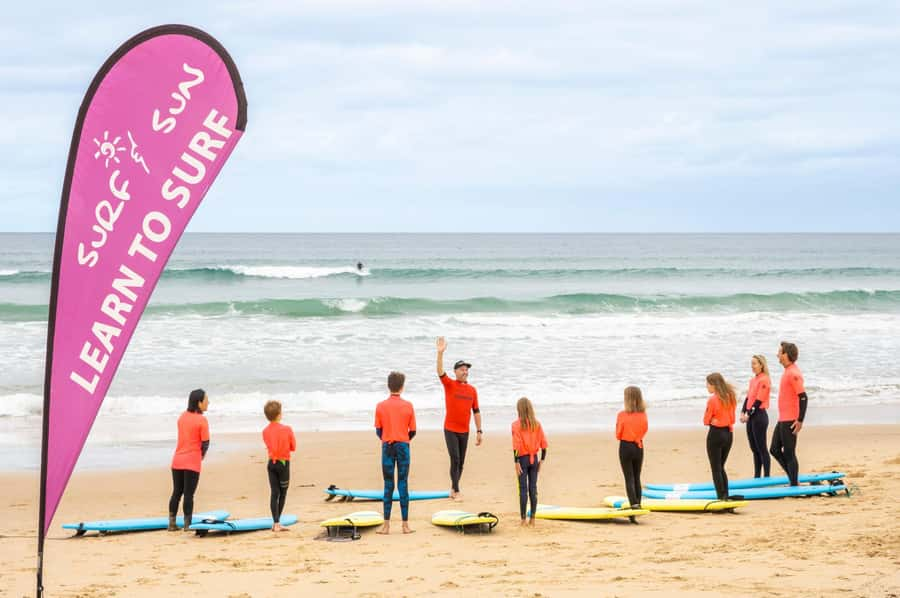
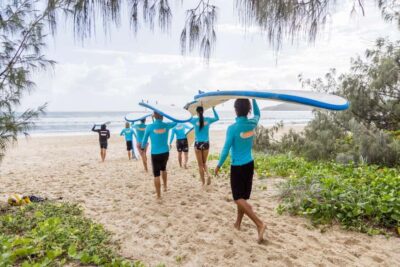
The class begins on the beach, where the coach introduces basic techniques before you enter the water. This is where you learn the practical sequence: how to lie on the board, how to position yourself, and how to move toward standing.
The safety briefing is an important part of the experience, not a formality to rush through. You learn how to behave in the water and what to do around the board and waves. One class participant described the instruction as short and intensive before the group went out, which is a useful balance for beginners. You get the key information, then put it to work while it is fresh.
I prefer this format to a long talk. Surfing has enough moving parts already. You do not need a lecture full of technical terms before trying your first wave. The best approach is one clear correction at a time. That is also how one particularly happy participant described the coaching: a few tips, not too many, with attention kept on one task.
Pay attention to the small details on the sand. Your stance, hand placement, and timing all matter once the board starts moving. It is much easier to fix them on land than while a wave is pushing you toward shore.
Taking the soft board into the waves
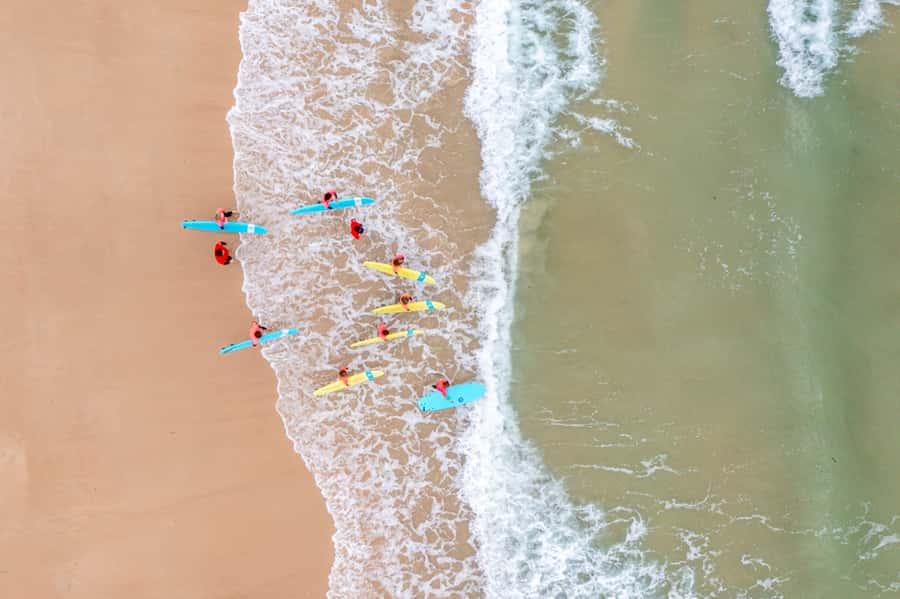
After the beach work, you head into the water with the coach. This is the part you have been waiting for, but it is also where the conditions matter most. Waves and weather cannot be controlled, and a rough day can make the same lesson feel much harder than expected.
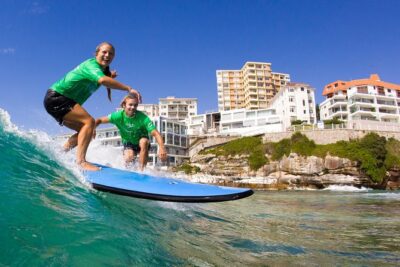
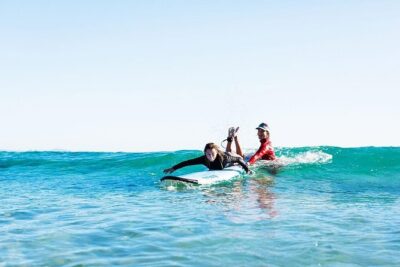
The coaches help each person get an early opportunity. They watch for the point at which someone needs a push, a reminder, or a little more confidence. At the same time, you are given room to try, fall, and work out what went wrong. That balance is valuable. Too much hands-on help can stop you from learning, while too little can leave you floundering.
The first goal is not elegant surfing. It is learning to read the moment, get your weight in the right place, and stay balanced long enough to feel the board glide. You may stand only briefly at first. That still counts. A good coach treats those small gains as progress rather than waiting for a perfect ride.
This is also why the two-hour length works well. You have enough time to hear the basics, make mistakes, and try again. A shorter session might end just as you begin to understand what your body should do. A longer first session could leave you tired, cold, or frustrated.
Same break, a different way into the water:
- Learn to Surf at Noosa on the Sunshine Coast
★ 5.0 · 277 reviews - Surfing Lessons on Sydney’s Bondi Beach
★ 5.0 · 267 reviews - 2 Hour Ultimate Learn to Surf Adventure
★ 5.0 · 235 reviews - Half Day Surf Lesson
★ 4.5 · 234 reviews
Coaching style and group size
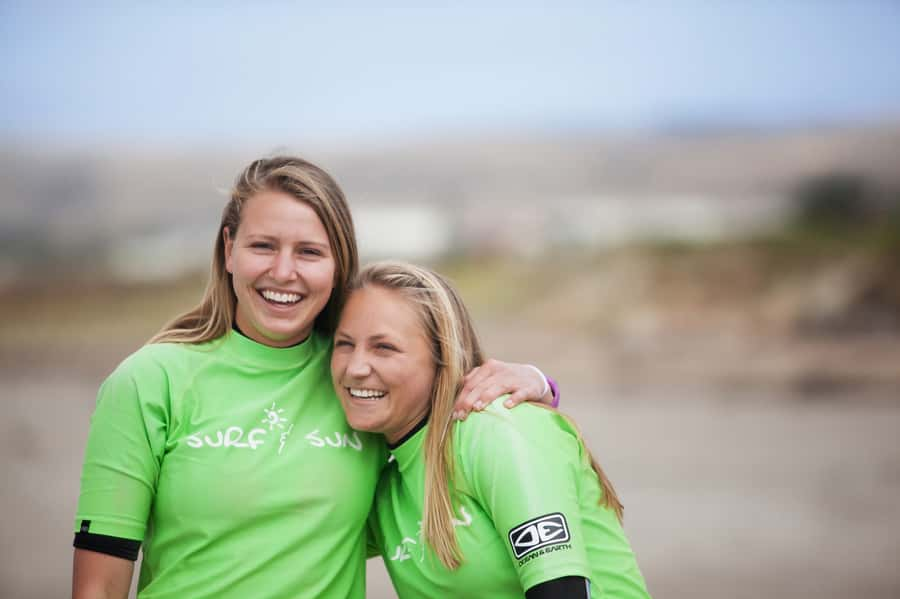
The strongest part of this lesson is the coaching approach. The instructors celebrate small wins and keep an eye on each person’s needs. That can make a big difference when you are the only adult in a group who has never surfed, or when you are trying something new with friends.
One group of about six had a coach who remembered everyone’s name and noticed where each person needed help. That kind of attention can make a class feel personal without turning it into a private lesson. You still have the energy of a group, but you are not simply left to copy the person beside you.
The picture changes with a larger class. A group of 15 and two coaches can work, but you may wait longer for direct help. If you are nervous in the water or want detailed feedback on every attempt, ask about the expected group size before booking. The activity is sold as a group lesson, so you should not expect one-on-one instruction.
There is an upside to a group, too. You see other beginners miss a wave, try again, and finally stand. That creates a relaxed mood and takes some pressure off you. Nobody needs to look polished on a first lesson.
What the online material adds
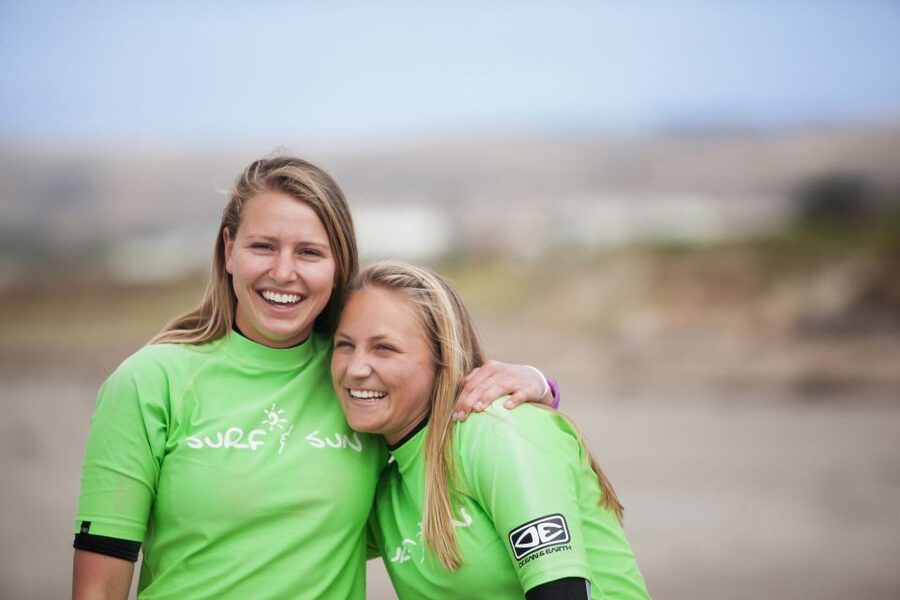
After booking, you receive three e-books and instructional videos covering the basics. Use them. Even a short look before class can help you recognize the terms and movements when the coach explains them on the beach.
These materials cannot replace the real lesson. They cannot show you how Middleton’s waves feel on a particular day, and they cannot correct your stance as you paddle. Their value is simpler: they give you a head start.
I would watch the videos before arriving, then keep the written material for later practice. The lesson can feel busy, with gear, safety rules, paddling, standing, and trying to keep your balance all happening close together. Knowing the basic sequence in advance leaves more attention for the water.
The online material is also useful if you want to continue surfing after this class. You may find that the first lesson gives you enough confidence to try again, and the e-books offer a way to remember the fundamentals between sessions.
Weather, sea conditions, and seasonal caution
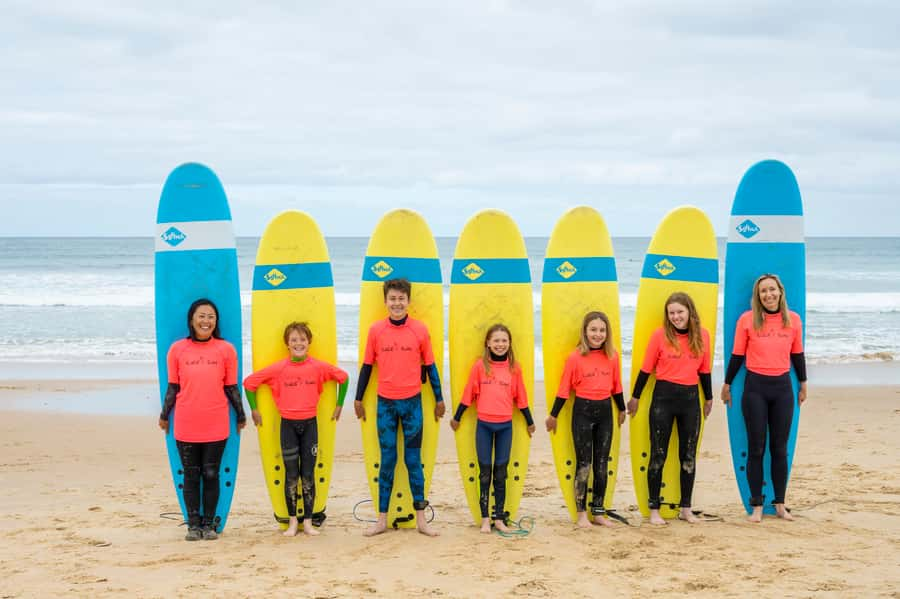
Surfing is tied to the weather. One session had rough conditions, but the coach kept close watch and focused on safety. That is the right priority, but rough water can reduce the number of successful rides and make the lesson more tiring.
You should also accept that the sea may not look perfect on the day. Conditions can affect wave quality, comfort, and how much time you spend actively trying to stand. A disappointing surf forecast does not automatically mean the class is a bad buy, but it does mean your expectations should be realistic.
One December session raised concerns about large amounts of algae in the water, followed by illness after the lesson. This appears to have been a seasonal condition rather than a standard feature, but it is a reminder that the coast can change. If you have concerns about the water on your chosen date, check current local conditions before setting out.
The instructors’ safety role matters most when the sea is rough. You should follow their directions closely, stay within the area they set, and tell them if you are struggling. A first surf lesson should feel challenging, not reckless.
Is $41 good value for two hours?
At $41 per person, the price is fair for a beginner lesson that includes the main equipment and instruction. You are not paying only for time on a board. The price covers the coach, soft surfboard, wetsuit, rash shirt, sunscreen, beach instruction, and water practice.
Hiring a board and wetsuit separately could quickly reduce the value of trying surfing for the first time. The included gear also removes the guesswork over what type of board to choose. You can turn up as a beginner and use equipment selected for learning.
The extra e-books and videos improve the value if you plan to practise again. If you only want to tick surfing off your list once, they are a bonus. If you hope to build a skill, they give you something to return to after the class.
The price is less compelling if you want private coaching. The experience is group-based, and a large class may limit personal feedback. For a first taste with friends, family, or other beginners, $41 is a reasonable outlay.
Free cancellation up to 24 hours before the activity also helps if your coastal plans change. You can reserve now and pay later, which is useful when you are arranging a trip around uncertain weather and several paid activities.
Who will enjoy this lesson most?
This works best for a first-time surfer who can swim and wants a guided introduction rather than a solo attempt. You do not need to own equipment, understand surf terms, or arrive with a polished technique.
It also suits a small group of friends. You can encourage one another, compare progress, and share the excitement when someone catches a clean first wave. Families can take part with children aged seven and over, provided the children are swimmers.
Solo participants should also feel comfortable booking. The group format gives you people to learn alongside, and the coaches are expected to offer individual pointers during the water session.
This is not the right choice for a non-swimmer, a child under seven, or someone seeking advanced surf training. The lesson is built around fundamentals. Stronger surfers may find the pace too basic.
What to bring and how to prepare
Keep your packing simple:
- Swimwear to wear under the wetsuit
- A towel for changing and drying off
- Water for the session
- A change of clothes, if you prefer not to travel home in damp gear
Read the e-books and watch the instructional videos before class. Arrive with enough time to find the Chapman Road parking lot and get fitted without feeling rushed.
Do not measure success only by how long you stand. Your first session is also about learning water safety, handling the board, understanding timing, and becoming comfortable with the feel of a moving wave. Those skills make later progress easier.
Should you book the Middleton Beach surf lesson?
Book it if you want an affordable, well-supported first try with equipment included. The two-hour format is sensible, the beach setting is attractive, and the coaching style focuses on safety, simple corrections, and celebrating progress. The online preparation is a useful extra.
Think twice if you dislike group activities or need constant personal attention. Ask about class size before booking, since 15 people with two coaches will feel different from a group of six. Also keep your plans flexible around weather and sea conditions.
For a swimmer aged seven or older who wants to see if surfing might become a new hobby, this is a practical introduction. You may not leave looking like a professional surfer. You can leave knowing how to begin.
FAQ
Where does the surfing lesson meet?
Meet at the beach parking lot at the end of Chapman Road in Middleton, South Australia.
How long does the lesson last?
The lesson lasts two hours. Starting times vary, so check availability when booking.
What equipment is included?
The activity includes a soft surfboard, wetsuit, rash shirt, and sunscreen, along with the instructor and surf lesson.
Do I need to bring anything?
Bring swimwear, a towel, and water.
Can non-swimmers take part?
No. The activity is not suitable for non-swimmers.
What is the minimum age?
Children under seven cannot take part. The activity is suitable for children aged seven and over who can swim.
Is the lesson taught in English?
Yes. The instructor language is English.
Can I cancel the booking?
You can cancel up to 24 hours in advance for a full refund. You can also reserve your place and pay later.
Just added for surfers in Australia
- Learn to Surf at Sydney’s Maroubra Beach★ 4.5 · 25 reviews
- Sunrise & Surf Beach Lifestyle Photoshoot★ 5.0 · 3 reviews
- Australian Surfing and Camping Tours★ 5.0 · 8 reviews
- Rainbow Beach: Surf Lesson Safari & Beach 4WD Double Island Point★ 5.0 · 12 reviews
- Epic Surf Safari Beach 4WD Day Tour -Noosa to Double Island Point★ 5.0 · 34 reviews
- Private Surf Coaching Session in New South Wales★ 5.0 · 3 reviews
- Private Surf Lesson at Margaret River in Western Australia★ 5.0 · 6 reviews
- 2 Hour Adults Only, Learn to Surf Lesson in Torquay/Anglesea★ 5.0 · 6 reviews
Australia Surf Lessons, compared.

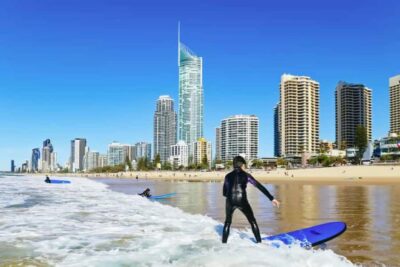
Broadbeach: 2 Hour Surf Experience on the Gold Coast
Read our review →Browse the lists this tour appears in