
Review · PONTA DELGADA SAO MIGUEL
AZORES: Surf Lesson for Beginners
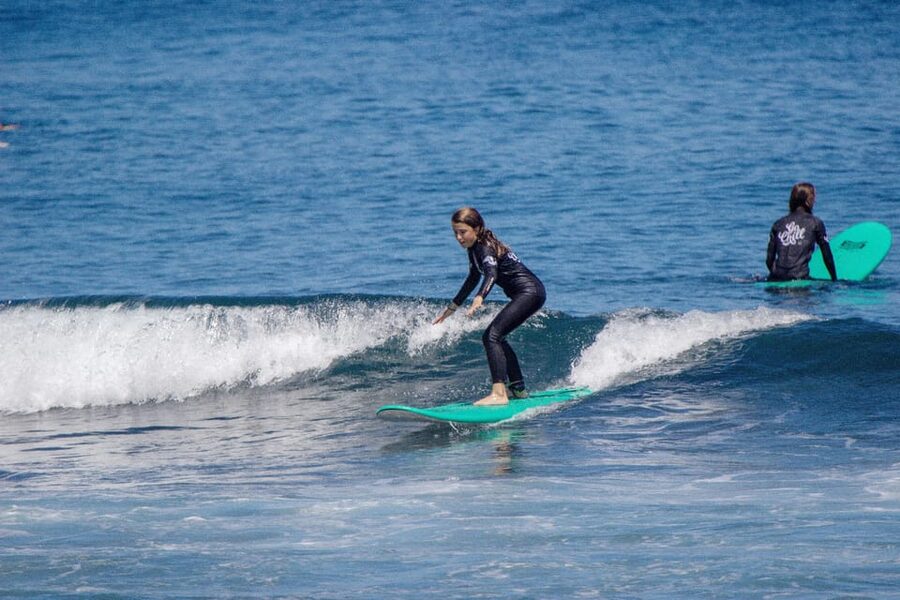
Surfing in the Azores starts with a useful twist: you do not simply show up at one fixed beach and hope for good waves. The instructor chooses the day’s best conditions, then sends you the meeting point one day ahead. That makes this small-group lesson more practical than a rigid beach appointment, especially in the Atlantic.
I like the six-student limit per instructor, which gives you a real chance to receive corrections instead of disappearing in a crowd. I also like that the lesson teaches safety, paddling, and the pop-up on the sand before you enter the water. The tradeoff is that the beach and start time can change with the tide and sea conditions, so you need a flexible schedule and your own transport.
Key points
- Three possible surf beaches: Milícias, Monte Verde, or Santa Barbara, depending on the day’s conditions.
- Small groups of up to six: You get more direct help than in a large beginner class.
- A full beginner setup: Surfboard, leash, wetsuit, insurance, and a licensed instructor are included.
- Practice before the water: The lesson covers equipment, safety, paddling, and the pop-up on the sand.
- Flexible planning matters: The final meeting point arrives one day before the activity.
- Good value at $53: You get 1.5 hours of instruction and equipment without paying separately for basic gear.
Why the Azores make a good place to start surfing
The Azores put you in the middle of the Atlantic, where the sea is a central part of daily life rather than a decorative backdrop. For a first lesson, that setting gives the activity a stronger sense of place than a generic indoor surf simulator or crowded resort beach.
You do not need previous experience. The class is designed for complete beginners, and it also suits anyone who once surfed and wants to rebuild basic confidence. The lesson is suitable for beginners of all ages, although the practical question is always comfort in the water and the ability to follow the instructor’s safety directions.
The experience is active but focused. You are not signing up for a long excursion with several stops. You spend 1.5 hours learning the basic movements, trying them in the sea, and receiving corrections. That shorter format works well beside a day of sightseeing, though it may feel brief if you want a long session or several hours of independent practice.
More Beginner Surf Lessons in Portugal
- Albufeira: Learn to Surf in Chill Beach Vibes & Good Times
★ 4.7 · 439 reviews - Beginner Surf Lesson at the Beautiful Algarvian West Coast
★ 5.0 · 377 reviews - Peniche:Surf lessons Beginners ,Intermediate, advance level
★ 4.8 · 229 reviews
Choosing the right beach for the day
The meeting point is not fixed. The common locations are Milícias Beach on the south coast, plus Monte Verde Beach and Santa Barbara Beach on the north coast. The instructor selects the beach according to the tide and sea conditions, then sends the location one day before the lesson.
That arrangement is one of the activity’s practical strengths. Beginner surfing is much more enjoyable when the class takes place in suitable conditions rather than at a beach chosen only for convenience. The drawback is that you cannot fully plan the activity around one exact beach until the day before.
You will meet directly at the beach, not at a central office or hotel. On arrival, look for the white van with Black Sand Box written in black on the back. Since transportation is not included, you need to arrange your own way to the selected beach and leave enough time to find the van.
For planning purposes, keep the day open. Do not book a timed museum visit immediately afterward unless you are comfortable allowing extra margin. Sea conditions can affect the location and lesson timing, and the final meeting information comes late by normal sightseeing standards.
What happens before you enter the water
Once you arrive, you receive the required equipment: a surfboard, leash, and wetsuit. You should bring your own swimwear, towel, sunscreen, and drinking water. The wetsuit matters in the Atlantic, while the sunscreen remains useful even on a cooler or cloudy day.
The lesson begins on the sand with a warm-up. This is not filler. A first surf class asks your body to move in unfamiliar ways, and a warm-up gives you a chance to get comfortable before you are managing a board and waves at the same time.
The instructor then explains the equipment and the basic safety rules. You learn how the board, leash, and wetsuit fit into the session, along with the behavior expected in the water. That safety briefing is especially valuable for a beginner because it gives you a clear routine before the sea starts pushing you around.
Next comes the basic technique. The instructor works on paddling and the pop-up, the movement used to rise from the board into a standing position. You may practice these actions on the sand before trying them in the water, which helps you focus on body position without also dealing with waves.
Getting personal coaching in a six-person class
The maximum group size is six students per instructor. That is not a private lesson, but it is small enough to make individual corrections realistic. You can expect the instructor to watch your attempts, point out mistakes, and give you a specific adjustment to try on the next wave.
The teaching is not limited to shouting tips from the shore. If your technique needs work, the class may come back onto the sand to correct the problem. You might practice the pop-up again, review paddling, or adjust how you position yourself on the board.
That cycle is useful for beginners. You try something, receive feedback, and test the correction rather than repeating the same mistake for the entire session. It also helps if you are returning to surfing after a long break and need to rebuild muscle memory.
The instructors speak English and Portuguese. No individual instructor names are provided, but the class is led by a licensed surf instructor. The most consistent praise in the available feedback centers on friendly teaching, strong instruction, and the feeling that the instructors know how to manage the activity.
Same break, a different way into the water:
- Matosinhos: Surfing Lesson with Equipment
★ 4.8 · 926 reviews - Lisbon Surf Experience
★ 4.9 · 876 reviews - Albufeira: Surf Lesson
★ 4.7 · 699 reviews - Porto: Small Group Surf Lesson with Transportation
★ 4.9 · 594 reviews
What the water session is really like
The goal is not to become an accomplished surfer in 90 minutes. The realistic target is to understand the equipment, follow basic safety rules, paddle correctly, attempt the pop-up, and possibly stand on the board with the instructor’s help.
That last part is the thrill. Even a brief ride can make the whole lesson worthwhile, and the format gives you a fair chance to reach that moment. The group may leave the water for corrections, so do not expect every minute to be spent catching waves.
Sea conditions control much of the experience. A favorable day can give you manageable waves and a satisfying first taste of surfing. A less cooperative day may mean more time learning position and technique than riding long waves. That is not a flaw in the teaching, but it is worth understanding before you book.
The instruction is designed to build confidence without ignoring safety. One participant described the activity as suitable for different ages and well supervised, and the lesson structure supports that impression: safety rules come first, and the instructor remains involved rather than sending beginners into the water on their own.
Smoking, alcohol, and drugs are not allowed. That is standard for a water activity, but it is important here because clear judgment and attention to instructions matter when you are handling a board in the sea.
The value of the $53 price
At $53 per person, the price is fair for a 1.5-hour beginner lesson that includes the main equipment. You do not need to rent a board, leash, or wetsuit separately, and insurance is included. The licensed instruction is the part that gives the experience its real value.
The small group also improves the calculation. A cheaper lesson with a large crowd may give you less time under observation, while this class limits the number of students to six per instructor. You are paying not just for access to the beach, but for a structured introduction and personal feedback.
The price does not include transportation. That extra cost depends on the beach selected and how you get there, so include it in your budget. You also need to bring your own towel, swimwear, sunscreen, and water, though these are ordinary beach items rather than major added expenses.
I would consider the lesson good value if your goal is to try surfing properly rather than simply rent a board. If you already surf confidently, the 1.5-hour beginner format may offer less benefit unless you want a refresher.
Who should book this Azores surf lesson
This class fits first-time surfers who want guidance, equipment, and a manageable introduction. It also suits people who are curious about surfing but do not want to commit to a full day. Families and mixed-age groups may find the beginner focus helpful, provided each participant can follow safety instructions and is comfortable taking part in an ocean activity.
It is a particularly good match for you if you value coaching over independence. The instructor can correct your paddling, pop-up, and board position while you are still learning the basics. That can save you from spending the entire session practicing an inefficient movement.
You should think twice if your schedule is tightly fixed. The meeting point and possibly the time can change because of the tide and sea conditions, and the beach may be on either the south or north coast. You also need to arrange your own transportation.
This is not the best choice for someone seeking a long, relaxed beach day. You will be putting on a wetsuit, warming up, listening carefully, practicing technique, and working in the water. It is active, focused, and occasionally tiring.
Planning your day around the lesson
Wait for the meeting details before finalizing your route to the beach. The location is sent one day before the activity, and the most common choices are Milícias, Monte Verde, and Santa Barbara. Keep the message available on your phone, then look for the white Black Sand Box van when you arrive.
Bring the essentials in a small beach bag:
- Swimwear to wear under the wetsuit
- A towel for changing afterward
- Sunscreen
- Drinking water
Arrive ready to take part, not simply watch. The lesson is short, and changing clothes, finding the van, or looking for missing supplies can eat into your time. Since there is no included transportation, check your route before the day of the class.
The activity has free cancellation up to 24 hours in advance for a full refund. You can also reserve now and pay later, which helps when your Azores plans depend on weather or changing island arrangements. Those terms are useful here because the sea, not just your sightseeing plan, affects the experience.
The main strengths and the limits
The strongest feature is the teaching format. You get a licensed instructor, equipment, safety guidance, and a small group rather than a mass lesson. The chance to return to the sand for corrections is another plus because it turns mistakes into part of the learning process.
The flexible beach choice is also smart. Surfing works better when the instructor responds to the conditions, and the three regular beach options give the activity room to adjust. For you, the cost is less certainty about the exact meeting point.
The main limitation is duration. Ninety minutes is enough for a well-organized first lesson, but it is not enough to master surfing. You may stand up, catch a short wave, and learn the basics, but progress beyond that will require more practice.
The second limitation is logistics. You need your own transportation, and you may not know the final beach until one day before. If you are comfortable with that flexibility, it is a sensible trade for better conditions.
Should you book it?
Book this lesson if you want a friendly, active introduction to surfing with equipment included and a real instructor watching your technique. The small group, safety briefing, and flexible beach selection make it a sound choice for beginners, including anyone who wants to refresh old skills.
Skip it if you need a fixed location, a tightly timed itinerary, or a longer surf session. At $53, the lesson offers good value for a first attempt, but its purpose is to get you safely standing, paddling, and understanding the basics, not to turn you into an expert in one morning.
FAQ
Do I need previous surfing experience?
No. The lesson is designed for beginners, and no prior surfing experience is required.
How long does the surf lesson last?
The lesson lasts 1.5 hours.
What equipment is included?
A surfboard, leash, and surf wetsuit are included. Insurance and a licensed surf instructor are also included.
Where does the lesson meet?
You meet directly at the beach. The exact meeting spot is sent one day before the activity. Common beaches include Milícias Beach, Monte Verde Beach, and Santa Barbara Beach.
Is transportation included?
No. You are responsible for getting to the selected beach.
What should I bring?
Bring swimwear, a towel, sunscreen, and water. Smoking, alcohol, and drugs are not allowed.
Just added for surfers in Portugal
- Tricana Surf Experience★ 5.0 · 3 reviews
- Exclusive Surf Lessons in S Miguel Azores★ 5.0 · 21 reviews
- Guided surf tours from Porto city to the beach★ 4.5 · 10 reviews
- Surfing Lesson | Porto: Small Group Surf Lesson with Transportation★ 5.0 · 34 reviews
- Self-guided tour Bike + Surf★ 5.0 · 6 reviews
- Private Surf Experience – Transfer to Matosinhos – All Levels★ 5.0 · 7 reviews
- Surf Lessons in Porto with transfer at Porto Surf School★ 5.0 · 42 reviews
- Surf Lesson | Surf Lessons★ 5.0 · 39 reviews
Portugal Surf Lessons, compared.

Learn to Surf in Chill Beach Vibes & Good Times
Read our review →
Browse the lists this tour appears in