
Review · GRAN CANARIA
Gran Canaria Surf Lessons: Playa del Inglés & Maspalomas
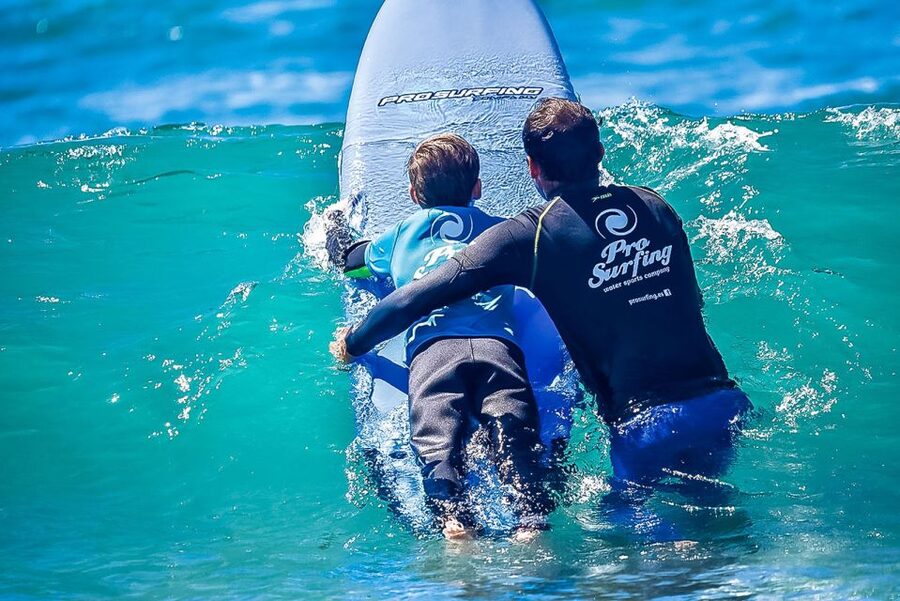
Gran Canaria’s surf school keeps things simple: meet in Playa del Inglés, learn the basics on the beach, then follow the day’s best conditions to the right stretch of sand. The location can change with the tide, wind, and swell, which is useful when you want a safer, more productive lesson instead of being tied to one beach. Certified instructors teach beginners through advanced surfers.
I like the small-group approach, since surfing is much easier when an instructor can correct your stance instead of shouting from far away. I also like that the price includes the board, wetsuit, insurance, hotel pickup from southern Gran Canaria, and a full lesson rather than just equipment rental.
The main point to weigh is the changing schedule. Pickup runs from 8:00 to 8:30 AM, and the total outing lasts about four to five hours, but tide and weather decide the exact timing and beach. You may spend only about two hours on the beach and in the water, including theory and practice, so this is a guided introduction, not an all-day surf camp.
Key points to know before booking
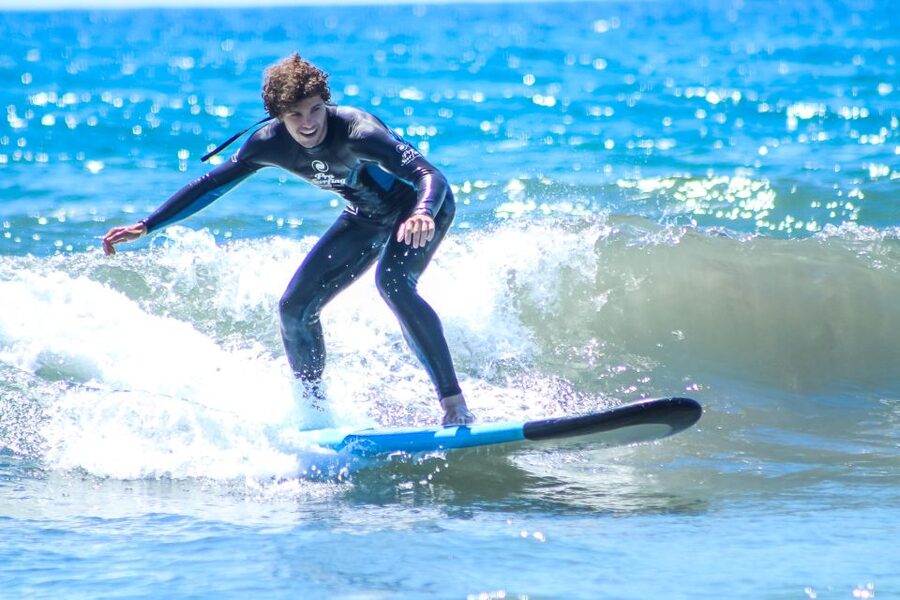
- Best beach chosen each day: The school changes location according to tide, wind, and swell.
- About two hours of instruction: Beach theory and water practice are part of the lesson, while the full outing takes roughly four to five hours.
- Pickup from southern resorts: Hotel pickup and return are included for the south area, with collection around 8:00 to 8:30 AM.
- Suitable for several skill levels: Beginners learn the basics, while intermediate and advanced surfers receive technique coaching.
- Equipment is included: You receive a surfboard, wetsuit, and insurance, so you do not need to rent these separately.
- A long-running local school: The school has taught surfing in Gran Canaria since 2004 and uses instructors certified by the Spanish Surf Federation.
Why the beach can change during your surf lesson
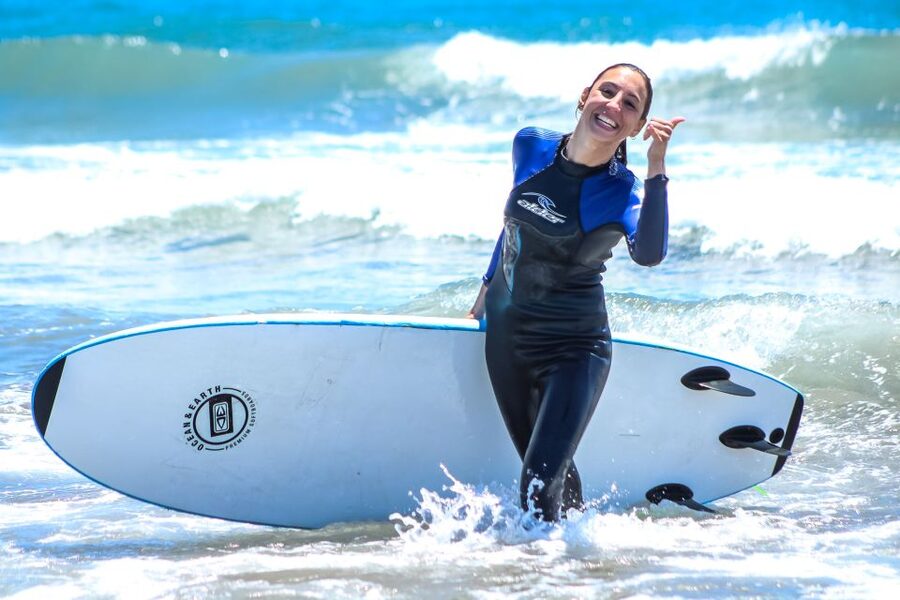
The most useful feature of this experience is also the detail that requires the most flexibility: you may not surf at Playa del Inglés itself.
The instructors choose the day’s beach after checking the swell, tide, and wind. That can mean heading to another beach instead of forcing a lesson into poor conditions at one fixed location. For a first-time surfer, this matters. Gentle waves, a manageable shore, and sensible wind conditions can make the difference between catching a few waves and spending the morning being pushed around by the Atlantic.
You should think of the school base in Playa del Inglés as the meeting point, not a promise that every lesson happens directly outside the resort. The exact beach is selected for the conditions. That is a good arrangement for learning, though it means you cannot plan the rest of your morning around a precise beach location.
The changing location also gives the lesson a local feel. You are not simply being handed a board and sent into the nearest water. The instructors use their knowledge of Gran Canaria’s coast to match the lesson with the day. Since the surf can change with the weather and tide, the timing and route are not rigid.
More Surf Lessons in Spain:
- Tenerife: Surfing Lesson for All Levels, Photos included
★ 4.9 · 1,314 reviews - Group Surfing Lesson at Playa de las Américas, Tenerife
★ 5.0 · 1,072 reviews - Playa de las Américas: Private or Small-Group Surf Lesson
★ 4.8 · 980 reviews
Starting at the Playa del Inglés surf base
Your day begins with a warm welcome at the school’s base in Playa del Inglés. If you are staying in the southern part of the island, pickup and return to your hotel are included. Collection is scheduled between 8:00 and 8:30 AM, so have your swimwear on or easily accessible and keep your bag small.
The school has operated since 2004 and describes itself as Gran Canaria’s first official surf school. That long operating history is useful for a simple reason: the team has had years to teach people with very different levels of fitness, confidence, and water experience.
You should expect a practical start rather than a long classroom session. The instructor explains the plan, checks the day’s conditions, and gets you ready for the beach. English and Spanish are available. The private-group format should suit people who want more direct attention, while the school also emphasizes small classes for faster progress.
Bring only what you need. Comfortable shoes, swimwear, a towel, dry clothes, sunglasses, a sun hat, sunscreen-friendly beach clothing, and a camera are sensible choices. Do not bring luggage or large bags, and pets are not allowed.
Beach theory before you touch the waves
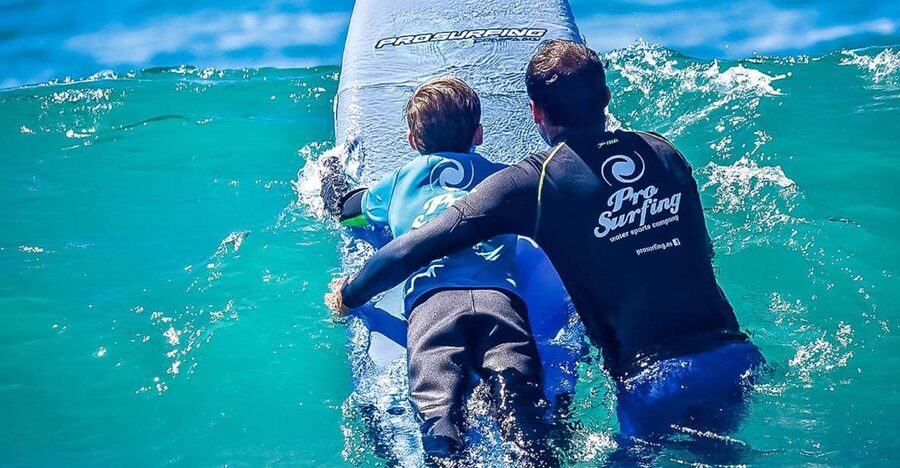
Before getting into the water, you receive an introduction to safety and a theory lesson on the beach. This is not filler. A few clear rules can help a new surfer understand where to sit, how to handle the board, and how to approach a wave without putting yourself or another person in a difficult position.
For a beginner, the beach portion is where the movements begin to make sense. You can work on your position, learn how to get up, and hear the instructor explain what to watch for before the water adds wind, spray, and moving waves.
The school’s instructors are certified by the Spanish Surf Federation. That does not guarantee that every wave will cooperate, but it does give the lesson a proper structure. The aim is to build safe habits as well as the basic technique needed to stand on the board.
The beach theory also helps you use your time in the water better. Instead of trying random movements, you know what the instructor wants you to practice. Beginners can focus on balance and timing. More experienced surfers can use the same session to work on technique and positioning.
About two hours of instruction in the water and on the sand
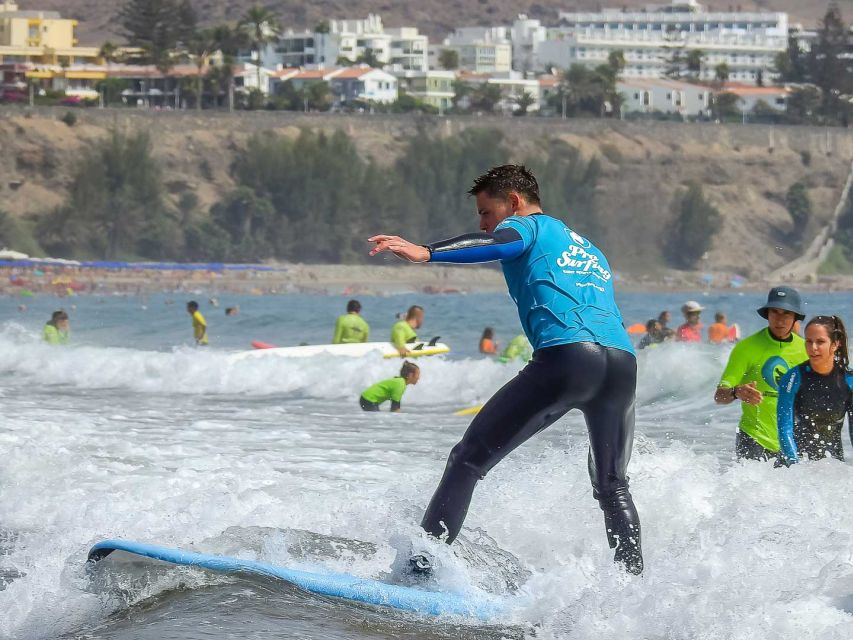
The advertised activity lasts about four to five hours from pickup to return, depending on the selected surf spot. The actual time devoted to beach theory and practical surfing is about two hours. The rest of the outing allows for transport, preparation, changing beaches if needed, and breaks to relax, drink, and recharge.
That distinction is important when you compare this with a full-day surf course. You are booking a half-day-style introduction, not several lengthy water sessions. For a first lesson, two hours can be enough. Surfing asks a lot from your legs, shoulders, and balance, and beginners often learn more from a focused session than from staying in the water until they are worn out.
The instructor remains involved during the practical lesson, offering feedback as you work. The stated goal is to help you ride your first wave, or improve the best wave you can already catch. That makes the lesson useful for more than complete beginners.
If you already surf, tell the instructor what you want to improve. The school accepts intermediate and advanced participants, and the lesson is described as personalized for different levels and styles. The amount of advanced coaching will depend on the group and the conditions, but the structure allows you to ask for technique help instead of repeating a beginner routine.
Same break, a different way into the water:
- From Nerja: Guided Paddle Surf Cliffs and Maro Waterfall
★ 4.5 · 400 reviews - Playa del Inglés Maspalomas: High Quality Surf Classes
★ 4.9 · 363 reviews - Fuerteventura: Surfing Lesson in the south of Fuerteventura
★ 4.8 · 354 reviews - Lezioni di Surf per Beginner e Intermedi (6 persone a istruttore)
★ 5.0 · 350 reviews
What the instruction feels like for a first-timer
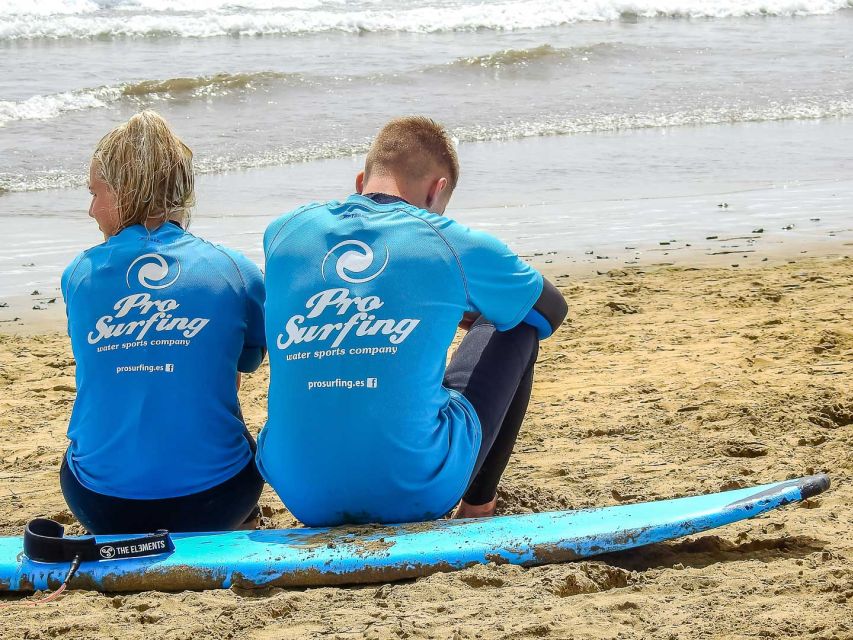
The best evidence of the teaching style comes from the details participants singled out. Christoph described the explanations as easy to follow and praised the good mood around the lesson. Another participant singled out Victor as professional and patient while teaching a group of absolute beginners.
Those details point to the right kind of atmosphere for a first attempt. You need an instructor who can explain the same movement more than once without making you feel foolish. You also need someone who can keep the mood light when your first attempt at standing ends with a splash.
The school places emphasis on fun, but the experience is not presented as a party with boards. Safety instruction, beach theory, and qualified supervision come first. That balance is important in an activity where excitement can quickly make people forget basic spacing and board control.
You should still arrive with realistic expectations. A surf lesson cannot promise that you will stand successfully on every wave, and conditions vary from one day to the next. The useful measure is progress: understanding the board, learning how to position yourself, catching a small wave, or leaving with a clearer sense of what to practice next.
Equipment, insurance, and what to pack
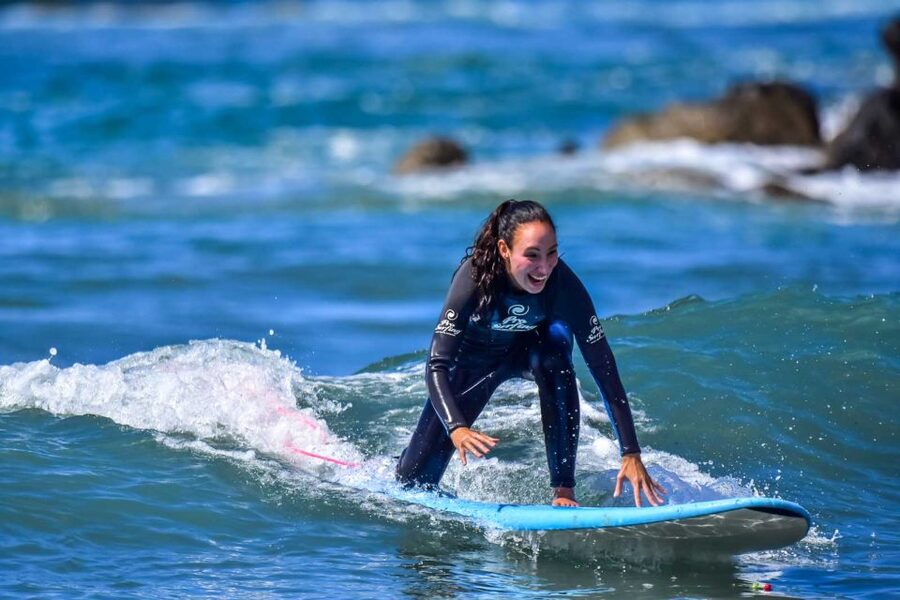
The $62 price includes the main items that can make a surf outing expensive or awkward to arrange separately: a surfboard, wetsuit, insurance, and instruction. Hotel pickup and return from the southern area are included as well.
That package gives the experience good value for a visitor staying around Playa del Inglés or Maspalomas. You do not need to research board hire, find a wetsuit, or work out how to reach an unfamiliar beach. The school handles those parts while the instructor selects the day’s location.
The information does not specify particular board sizes or wetsuit thicknesses. Equipment will therefore be matched to the lesson and conditions by the school, but you should not expect to choose from a full rental shop range as you might during a private equipment-hire session.
Pack a towel and a complete change of clothes. Comfortable shoes help before and after the lesson, while sunglasses and a hat are useful during the bright beach time. Bring a camera only if you can keep it secure and dry. Large bags and luggage are not allowed, so leave bulky items at your accommodation.
You must bring a passport or identity card, though a copy is accepted. This is an easy detail to forget when heading to the beach, so set it aside the night before.
The value of the $62 price
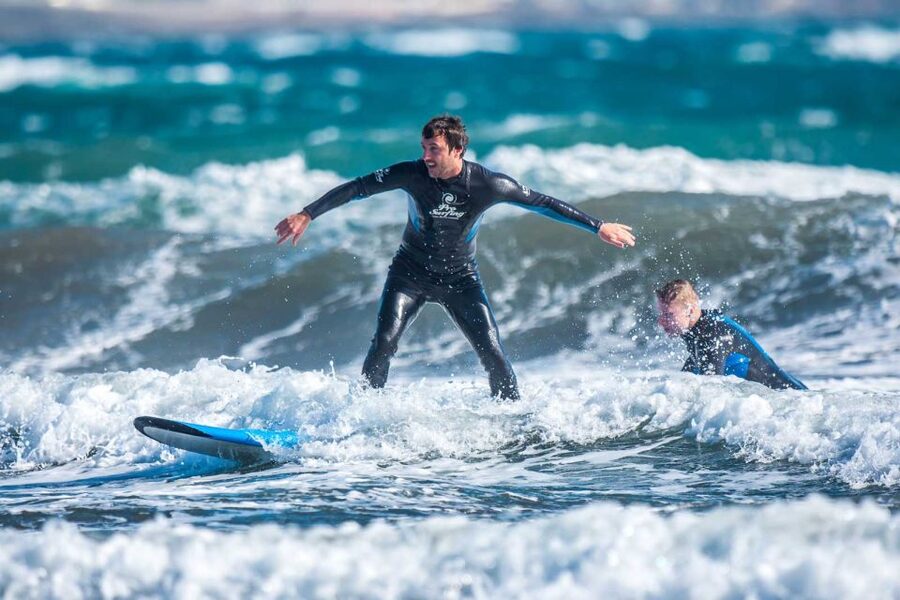
At $62 per person, this is not the cheapest way to stand near the ocean with a board. It is a fair package when you count the instruction, safety briefing, beach theory, board, wetsuit, insurance, hotel transport, and local choice of surf spot.
The strongest value comes from the guidance. Equipment rental alone cannot tell you why you keep missing the wave, how to place your feet, or where to wait safely. A certified instructor can adjust the lesson as you learn.
The price is also easier to justify if you are staying in the south and would otherwise pay for transport to a school or beach. Pickup is limited to the southern area, so this benefit matters most to people based around Playa del Inglés, Maspalomas, and nearby resorts.
For advanced surfers seeking a long technical coaching session, the value depends on your needs. The water and beach portion lasts about two hours, and the outing is built for several ability levels. A specialist looking for detailed performance work may want to confirm the exact coaching format before booking.
Who will enjoy this, and who should think twice
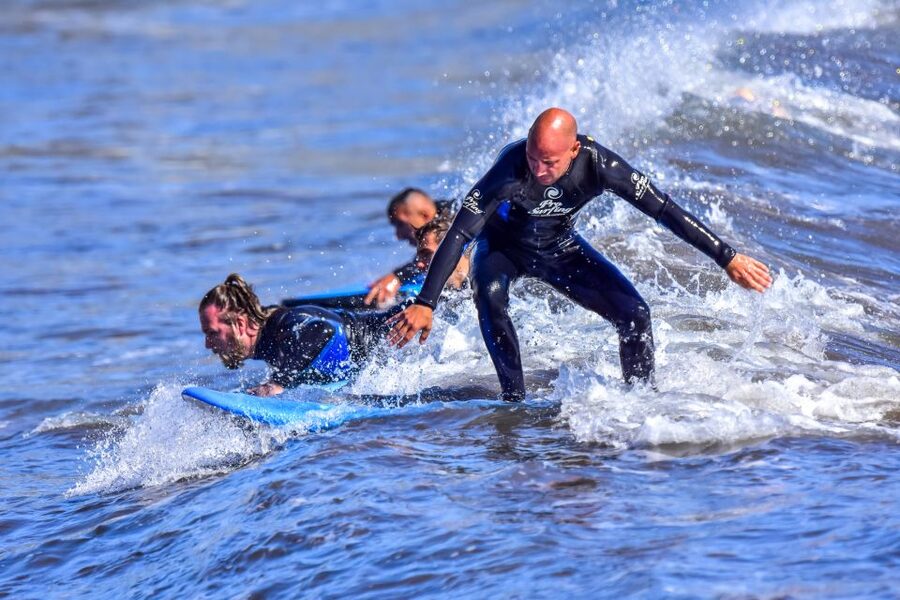
This lesson is a good fit if you are trying surfing for the first time and want instruction rather than a simple board rental. It also suits couples, families with suitable participants, and small private groups who want a shared activity with professional supervision.
I would especially recommend it to people staying in southern Gran Canaria. Hotel pickup removes some of the day’s practical fuss, and the school’s base in Playa del Inglés makes the arrangement straightforward.
Intermediate and advanced surfers can also book, since the instructors work with different levels and styles. Still, you should be clear about the time available. This is a guided lesson with about two hours of beach and water practice, not an intensive multi-session coaching program.
The activity is not suitable for pregnant women or people with back problems. Surfing places repeated strain on the back and requires falls, paddling, and getting up from the board, so this restriction should be taken seriously rather than treated as a minor warning.
Timing, weather, and the need for a flexible morning
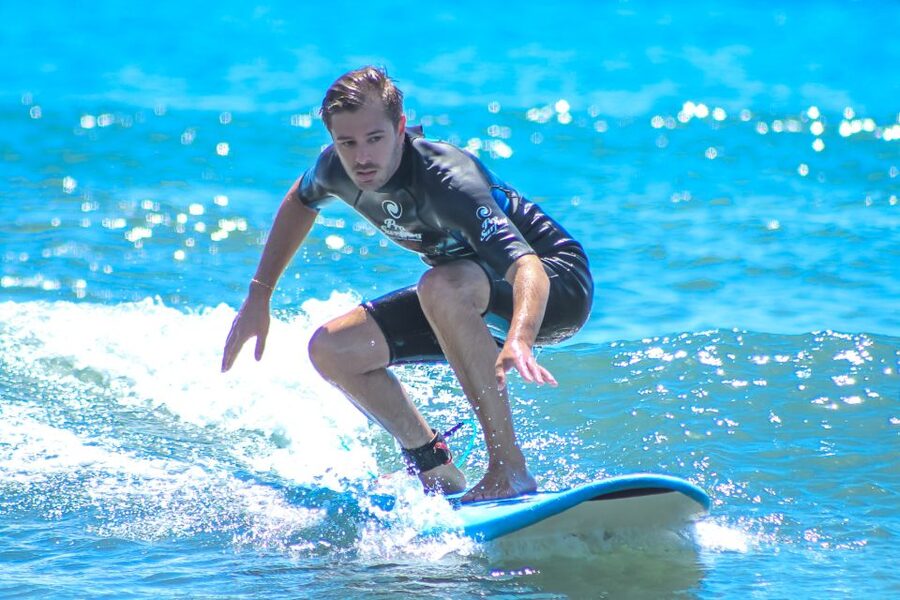
Do not book this lesson immediately before a fixed appointment. Pickup begins around 8:00 to 8:30 AM, and the total activity can take four to five hours depending on the beach selected.
Tides and weather control the lesson schedule. That is a sensible safety measure, but it means you should leave room in your itinerary. You may also be taken to a different beach from the one you first had in mind.
The school allows free cancellation up to 24 hours before the activity for a full refund. You can also reserve now and pay later, which helps if your plans are still taking shape. These terms are useful, but they do not remove the need to check the exact start time and pickup details before the day.
The overall rating is 4.8 from 76 ratings, and the strongest praise centers on friendly instruction, clear explanations, patience, and a relaxed atmosphere. That matches what you should care about most in a surf lesson: a safe setup, useful coaching, and an instructor who can keep you trying after the first few falls.
Should you book this Gran Canaria surf lesson?
Book it if you want a well-organized first taste of Atlantic surfing, especially if you are staying in the south and value hotel pickup. The included equipment, insurance, qualified instruction, and flexible beach choice make $62 a reasonable price.
I would also choose it if you prefer a friendly lesson with direct coaching instead of learning alone from a rental board. Victor’s patient approach with absolute beginners is a useful sign of the teaching style, though instructor availability may vary.
Think twice if you need a precise beach, a short fixed schedule, or a full day of advanced coaching. The surf spot can change, the morning can last up to five hours, and the actual lesson portion is about two hours. For everyone else, this is a practical way to meet Gran Canaria’s surf culture without having to arrange the difficult pieces yourself.
FAQ
Where does the surf lesson take place?
The school is based in Playa del Inglés, but the lesson may take place at another beach. The team selects the beach according to the tide, swell, and wind.
Is hotel pickup included?
Yes. Free pickup and return are included for hotels in the southern area of Gran Canaria. Pickup is scheduled from 8:00 to 8:30 AM.
How long does the activity last?
The full activity takes approximately four to five hours, depending on the location chosen for the day.
How much time is spent surfing?
The beach theory and practical activity together take about two hours. The rest of the time includes pickup, transport, preparation, and breaks.
Is equipment provided?
Yes. A surfboard and wetsuit are included, along with insurance.
What languages do the instructors speak?
Instruction is available in English and Spanish.
Is the lesson suitable for beginners?
Yes. The school offers personalized instruction for beginners, intermediate surfers, and advanced surfers. Beginners receive safety guidance, beach theory, and practical coaching.
Can I cancel for a refund?
You can cancel up to 24 hours before the activity for a full refund. The experience also offers a reserve-now-and-pay-later option.
Just added for surfers in Spain
- Seville: Paddle Surf on an XXL Board★ 5.0 · 31 reviews
- Lanzarote: Famara Private Surf Lesson with a real Pro★ 4.9 · 29 reviews
- Charter Tour: By Boat in the Bay of Palma with Snorkeling and Paddle Surfing★ 4.9 · 262 reviews
- Charter Tour of Palma Bay: Snorkeling and Paddle Surfing★ 4.5 · 20 reviews
- Experience Crystal paddle surf Tours + snorkel★ 4.9 · 22 reviews
- Paddle Surf in Cantabria★ 4.5 · 21 reviews
- 1-day Surf Course for Adults★ 4.0 · 13 reviews
- 2 day surf course★ 4.5 · 20 reviews
Gran Canaria Surf Lessons, compared.
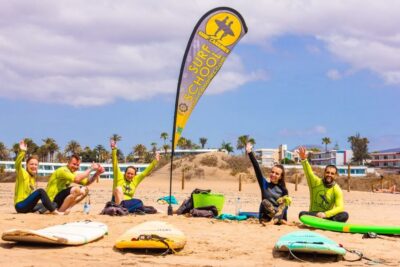
Playa del Inglés Maspalomas: High Quality Surf Classes
Read our review →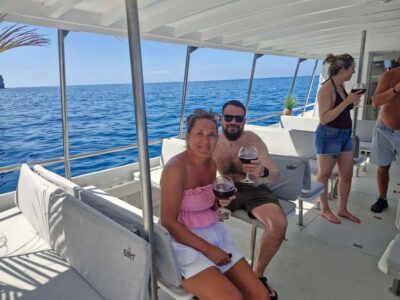
Puerto Rico, Gran Canaria: boat trip, drinks, food, paddle surfing, snorkeling
Read our review →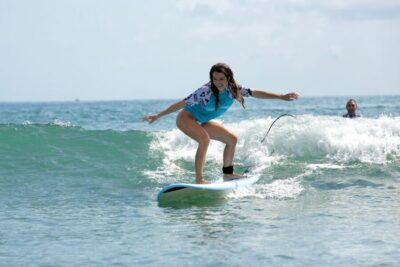
Gran Canaria Maspalomas: Surf lessons all levels
Read our review →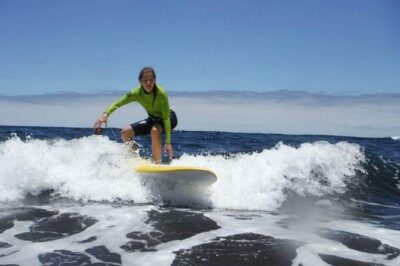
Browse the lists this tour appears in