
Review · MUNDAKA
Mundaka: Surfing Course Initiation
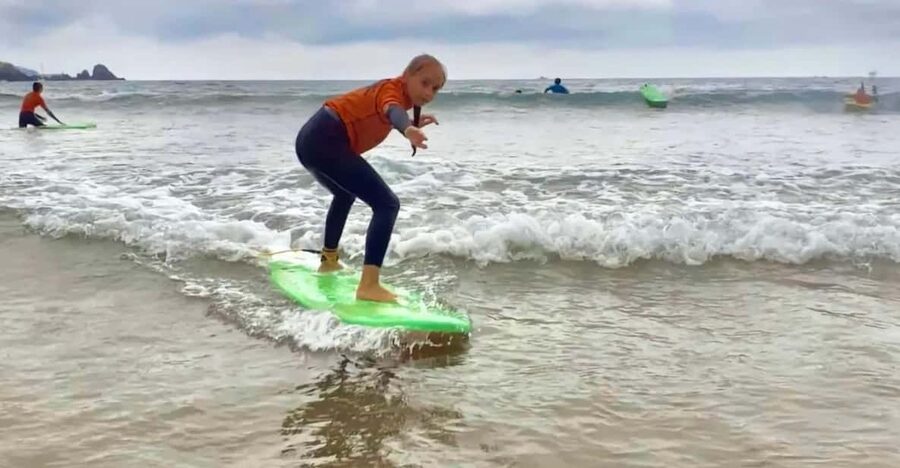
Mundaka is a serious place to begin surfing. This Basque coastal town is known for world-class waves, yet the course starts with the basics: board handling, paddling, balance, and safe wave practice. The goal is simple and memorable: help you catch your first wave.
I like the small-group format, which can give you useful corrections instead of leaving you to guess what went wrong. I also like that the price includes a neoprene suit, board, and sports insurance, so you are not paying for a lesson and then renting the essentials separately. The main caution is that group quality can vary. One recent session placed beginners with a much larger youth group, and another participant found the English instruction limited.
Key points to know before booking
- Your first wave is the main target: The course teaches the basic skills needed to stand up and ride safely.
- Mundaka gives the lesson a memorable setting: You practice beside the Bay of Biscay in a town famous for surfing.
- León has earned special praise: A Spanish participant described him as friendly, helpful, and encouraging during a first lesson.
- Small or private groups are available: Ask for the format that best matches your comfort level and experience.
- All basic equipment is included: You receive a neoprene suit, surfboard, and sports insurance.
- English ability may vary by session: English and Spanish are offered, but communication has not been equally strong in every class.
Starting with the basics in Mundaka
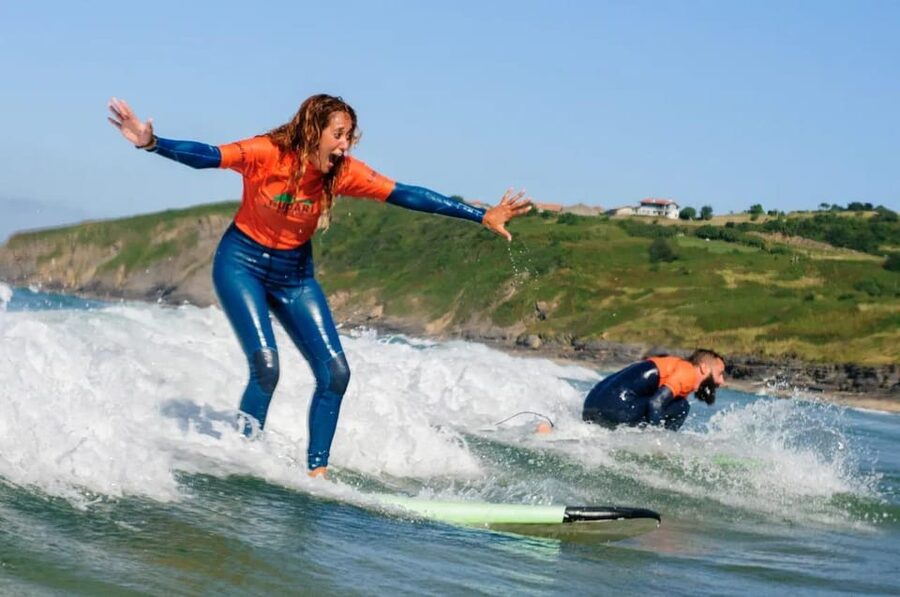
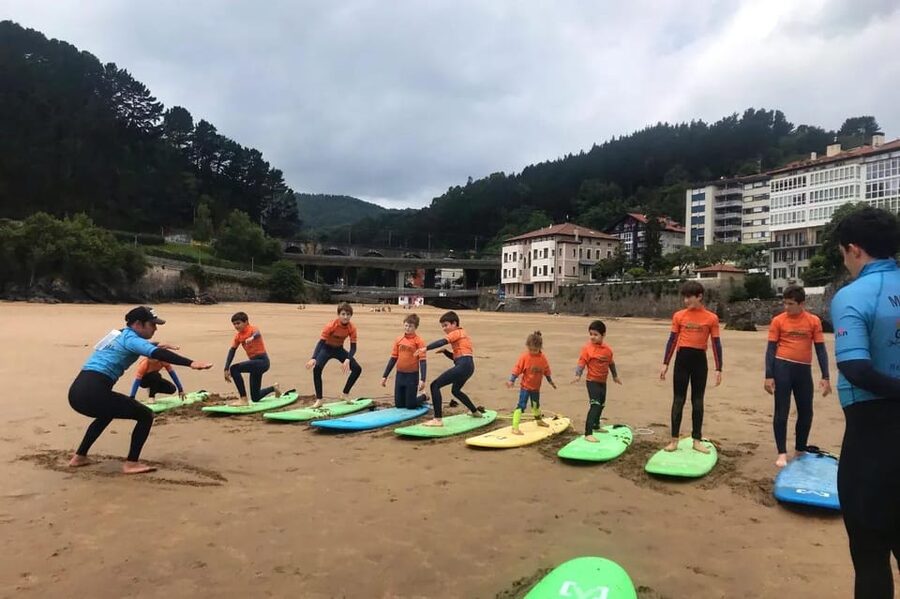
The course lasts about 2.5 hours, which is long enough to move beyond a quick introduction. You are not simply handed a board and sent toward the water. The teaching covers the basic actions that make surfing possible: paddling, finding the right position on the board, handling waves, and building confidence in the water.
I like this practical approach. Surfing can look easy from shore, but beginners quickly discover that board position and timing matter. A small mistake while paddling can leave you facing the wrong way, and standing too early can send the board skidding without you. A structured lesson gives you a better chance of understanding those first mistakes.
Mundaka adds a sense of occasion. The town sits on the Bay of Biscay and is known for its strong surfing reputation. That makes the setting more exciting than a generic beach lesson, but it also means you should respect the instruction about tides, currents, and safety. A famous surf location is not automatically an easy one.
The class is designed for complete beginners and for people who want to polish basic skills. If you have never surfed, the instructor can introduce the board and the water step by step. If you have tried before, you can use the time to improve your paddling, positioning, or confidence.
More Surf Lessons in Spain:
- Tenerife: Surfing Lesson for All Levels, Photos included
★ 4.9 · 1,314 reviews - Group Surfing Lesson at Playa de las Américas, Tenerife
★ 5.0 · 1,072 reviews - Playa de las Américas: Private or Small-Group Surf Lesson
★ 4.8 · 980 reviews
What happens during the 2.5-hour lesson
The activity information does not provide a minute-by-minute schedule, so exact order can vary. Still, the course description gives a clear picture of the work you will cover.
You begin by learning how to use the board. That includes finding a stable position and understanding how your body affects the board. These details may sound small, but they are the foundation for every later step. A beginner who lies too far forward or too far back will struggle before the wave even arrives.
Paddling comes next as a core skill. You need enough control to move into position and enough balance to keep the board steady. The instructor can correct your body position and help you understand how to move with the board rather than against it.
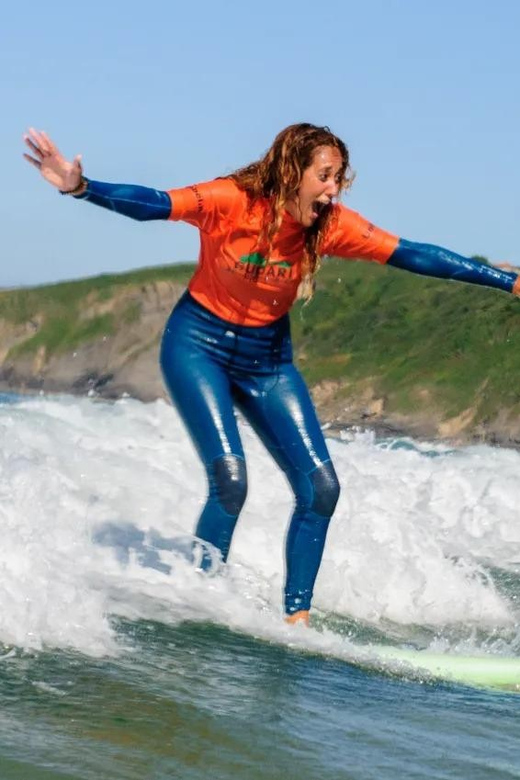
The lesson also covers catching a wave. This is the moment most people are waiting for, but it works best when you have already learned the basics. The aim is not to perform a polished maneuver. It is to recognize the right moment, move with the wave, and try to stand with control.
The course includes guidance on reading tides and understanding currents. That is especially useful in Mundaka, where the surf setting is part of the attraction. Knowing how the water moves helps you make safer decisions and gives you a better sense of why some conditions are suitable for beginners and others require more skill.
Finally, you practice in the water under instructor supervision. The supplied information promises personalized help, and the small-class option is important here. Surfing progress often comes from one short correction at the right time, such as adjusting your stance or changing when you begin to paddle.
Why small classes matter for a first wave
The advertised format allows private or small groups. That is a real advantage for a first lesson because beginners do not all struggle with the same thing. One person may have trouble balancing, another may paddle too slowly, and another may hesitate when the wave arrives.
With fewer people, you have a better chance of receiving direct feedback. You can also ask questions without competing with a large crowd. I would choose the smallest available group if your main goal is to catch a wave or if you feel nervous in the water.
The important qualification is that the actual session may not always feel small. A recent Spanish participant found their class combined with a surf camp or youth group of roughly 15 people, with mixed ability levels. The result was a feeling of limited personal attention, even though the participant understood that the lesson was not advertised as a fully individual class.
That experience does not cancel out the small-group option, but it gives you a useful booking question: ask how many people will be in your particular session. If the answer is vague, ask again before committing. A lesson for a few beginners is a different product from a lesson folded into a large mixed-level group.
Instruction in English and Spanish
Classes are offered in English and Spanish. That makes the activity accessible to many international visitors and gives Spanish-speaking participants a natural choice of language.
Still, I would keep your expectations practical. A participant from Belgium found the English of the instructors limited and reported that the English-speaking monitor left after about 1.5 hours. The remaining class joined a group of around 15 people with an instructor who did not speak English.
This matters because surfing instruction relies on quick, clear commands. In the water, you may need to understand where to paddle, when to move, and how to respond to a safety instruction without delay. If you need strong English support, confirm who will teach the full 2.5-hour session and which language will be used throughout.
The teaching quality can also depend on the individual instructor. León received especially warm praise for a first lesson, with attention to patience, kindness, and practical help. That is exactly what you want from a surf instructor working with complete beginners. You cannot assume every session will be led by León, but asking about the instructor when booking may be worthwhile.
Same break, a different way into the water:
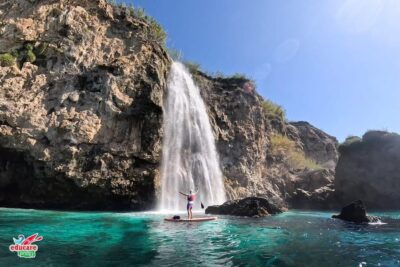
- From Nerja: Guided Paddle Surf Cliffs and Maro Waterfall
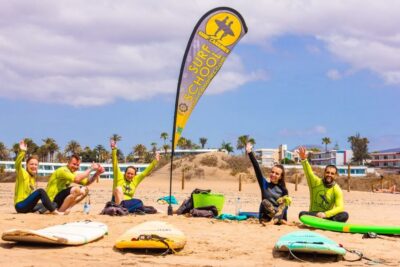
★ 4.5 · 400 reviews - Playa del Inglés Maspalomas: High Quality Surf Classes
★ 4.9 · 363 reviews - Fuerteventura: Surfing Lesson in the south of Fuerteventura
★ 4.8 · 354 reviews - Lezioni di Surf per Beginner e Intermedi (6 persone a istruttore)
★ 5.0 · 350 reviews
Equipment and insurance included in the $59 price
The cost is $59 per person. The fee includes a neoprene suit, surfboard, and sports insurance. That makes the price easier to assess because you are not starting with a lesson fee and then adding the basic items needed to enter the water.
The neoprene suit is useful in the Bay of Biscay, where water temperature can make extended practice uncomfortable without suitable protection. The board is another important inclusion. Beginners need a board suited to learning, and bringing your own would be impractical for most visitors.
Sports insurance adds another layer of value. It does not remove the need to listen carefully to the safety briefing or follow the instructor’s directions, but it means coverage is part of the listed activity rather than an extra purchase.
At $59, the course makes the most sense if you use the full session and receive real instruction throughout. It is a good fit for someone who wants a guided first attempt rather than a simple equipment rental. The value becomes less convincing if your class is very large, your language needs are not met, or the instructor is not present for the full scheduled time.
The setting: Mundaka and the Bay of Biscay
Mundaka gives this lesson a strong sense of place. You are not learning in an anonymous resort pool or at a basic training beach. You are on Spain’s Basque coast, beside the Bay of Biscay, in a town associated with serious surfing.
That reputation adds excitement, but it should also shape your expectations. World-class waves can mean changing conditions, and beginners benefit from guidance about tides and currents. The course is not only about standing on a board. It also teaches you how to read the water and make safer choices.
I like that the location and the instruction fit together. The water is not merely a backdrop for photographs. It becomes part of the lesson. You learn why waves behave differently, how position affects your chances, and why safety comes before the thrill of catching a ride.
The available information does not promise a sightseeing stop, coastal walk, or town tour. Book this for the surfing, not for a broad introduction to Basque Country. The setting is attractive, but the 2.5 hours are focused on the water and the skills needed to use a surfboard.
What the first lesson may feel like
Your first successful ride may be brief. That is normal for a beginner, and it does not make the lesson a failure. The early wins often come from standing for a moment, staying balanced, or moving in the right direction instead of falling immediately.
The instructor’s attitude matters greatly. A German participant who had never surfed described having a lot of fun and receiving patient help. That kind of patience is valuable because beginners often need several attempts before the instructions make sense physically.
You should expect some effort. Paddling takes energy, and repeated attempts can be tiring. The lesson is active rather than passive, so wear clothing that works under the included suit and arrive ready to listen closely. The supplied information does not give a meeting-point dress code or a detailed fitness requirement, so you should ask the provider if you have specific concerns.
The best mindset is curiosity rather than performance. You are learning how the board responds, how the water moves, and how your body needs to shift. If you catch one clean wave, enjoy it. If you spend much of the class learning to paddle and stand, you have still built a useful base.
Who will get the most from this experience
This course suits a first-time surfer who wants instruction, equipment, and insurance in one booking. It also suits a visitor who wants to test surfing before committing to more lessons or buying gear.
You will likely appreciate it most if you enjoy active experiences and are comfortable with a little uncertainty. Surfing does not offer guaranteed results, even with a skilled instructor. Conditions, group size, language, and your own comfort in the water all affect the session.
It can also work well for a couple or small group of friends who want to learn together. Private or small-group availability gives you a chance to ask for a more personal format, especially if one person is nervous or if your group has mixed ability.
I would be more cautious if you need uninterrupted instruction in English. The language issue raised in one session is specific but important. Confirm the teaching language and the instructor’s availability for the complete lesson before paying.
Booking details that affect your decision
You can cancel up to 24 hours before the activity for a full refund. That is useful for a surf lesson because water conditions and personal plans can change. You can also reserve now and pay later, which keeps the booking flexible.
Starting times depend on availability. Since tides matter to the course, check the offered time rather than choosing a slot without looking at the schedule. The activity description specifically includes tide and current awareness, so timing is not a minor detail.
English and Spanish instruction is listed, and private or small groups can be requested. I would use the booking process to ask three direct questions: How many people will be in the group? Who will teach the full session? Will the lesson be conducted in English or Spanish from start to finish?
Those questions address the main practical concern without taking anything away from the appeal of the experience.
Should you book Mundaka Surfing Course Initiation?
Book it if you want a genuine first try at surfing in a famous Basque setting and value having the board, suit, and sports insurance included. The 2.5-hour length gives you enough time to learn basic technique, practice repeatedly, and perhaps catch your first wave.
The strongest reasons to choose it are the location, the structured instruction, and the chance to book a small or private group. Patient teaching, especially the kind praised in connection with León, can make a first lesson feel welcoming instead of frustrating.
Book with care if language support is essential or if you dislike large mixed-level groups. Confirm the group size and the instructor arrangement before you go. At $59, the course offers fair value when you receive the full session with clear instruction and the included equipment. It is less attractive if the class becomes crowded or the English support drops away halfway through.
FAQ
Where does the surfing course take place?
The course takes place in Mundaka in Spain’s Basque Country, beside the Bay of Biscay.
How long does the activity last?
The surfing course lasts approximately 2.5 hours.
How much does the course cost?
The listed price is $59 per person.
Is the course suitable for complete beginners?
Yes. The course is designed to introduce beginners to basic surfing skills, and it also welcomes people who want to refine their existing skills.
What surfing skills will I learn?
You will work on paddling, board position, wave handling, and basic surfing technique. The instruction also covers tides, currents, and water safety.
Is equipment included?
Yes. The price includes a neoprene suit and a surfboard.
Is insurance included?
Sports insurance is included in the activity.
Is instruction available in English?
Yes. English and Spanish are listed as the available instruction languages. English ability may vary by session, so confirm the language arrangements when booking.
Can I book a private class?
Yes. Private groups and small groups are available.
Can I cancel the booking?
You can cancel up to 24 hours in advance for a full refund. You can also reserve the activity and pay later.
Just added for surfers in Spain
- Valencia: Excursión en Moto de Agua + Paddle Surf★ 4.9 · 9 reviews
- Surf lesson on Valencia beach★ 3.5 · 5 reviews
- small group surf lesson in Playa de las Américas,Tenerife★ 5.0 · 31 reviews
- Surfing Lesson in La Mata Beach★ 5.0 · 51 reviews
- Surf Lessons at El Médano Beach★ 4.5 · 7 reviews
- Surfing lessons in Las Americas★ 5.0 · 32 reviews
- Tenerife Paddle Surf and Snorkeling Experience★ 5.0 · 4 reviews
- Paddle Surf★ 5.0 · 4 reviews
Spain Surf Lessons, compared.
Surfing Lesson for All Levels, Photos included
Read our review →
Group Surfing Lesson at Playa de las Américas, Tenerife
Read our review →
Playa del Inglés Maspalomas: High Quality Surf Classes
Read our review →
Lezioni di Surf per Beginner e Intermedi (6 persone a istruttore)
Read our review →
Browse the lists this tour appears in