
Review · GREYMOUTH
Greymouth: 2-Hour Beginner Surf Lesson
Your first real surf lesson is not about looking graceful. It is about learning how to handle the board, read the white water, and stand up before the wave passes you by. This Greymouth session breaks that process into clear steps, starting on the beach and moving into the water.
I like the safety-first teaching and the chance to practice both board movement and turning before trying to stand. I also like the small group format, with no more than six students per instructor and eight people in the full group.
The main thing to plan around is the tide. Lesson times vary, and Out The Back contacts you with the correct time on your booked day. That makes the schedule less fixed than some activities, but it helps put you in the water at a better stage of the tide.
Key points to know before booking
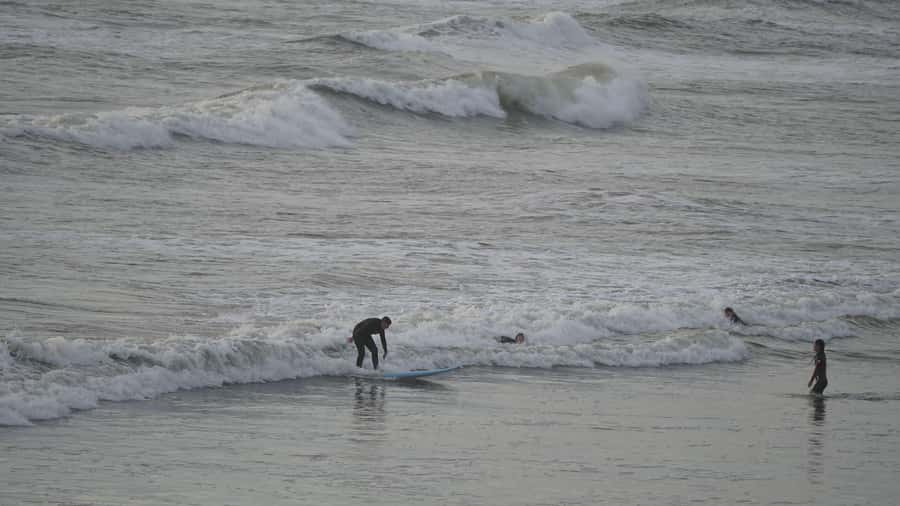
- Two stages in the water: First learn board control and turning, then return for pop-up practice and standing on a wave.
- Ocean safety comes first: The beach briefing covers both surf basics and how to behave safely in the water.
- Small groups help with corrections: Groups are limited to eight, with a maximum six-to-one student-to-instructor ratio.
- Tide controls the timetable: The lesson aims for lower tide, so your final start time is confirmed after booking.
- All surf equipment is supplied: Bring your own swimwear, towel, warm clothes, sunscreen, and water.
- Best for confident beginners: Children under eight, non-swimmers, and people with back problems should not book.
Greymouth’s practical introduction to surfing
This is a focused lesson for someone who wants a first taste of surfing without committing to a full day. In two hours, you get an introduction to the board, the water, the basic body position, and the movements needed to catch a small wave.
I like the structure. You do not simply get a board and head into the surf with a quick instruction to stand up. The lesson begins on land, where you can hear the safety points and see the movements before cold water and moving waves complicate things.
That matters for beginners. Surfing asks you to manage several things at once: balance, timing, body position, and the movement of the board. A short explanation on the beach gives you a useful plan before you start trying to put it into practice.
The instructor teaches in English. Feedback about the session points to a kind and enthusiastic teaching style, with clear advice about what to improve. That sort of direct correction is useful here. A small change in foot position or timing can make the difference between a successful pop-up and a slow slide back into the water.
More Beginner Surf Lessons in New Zealand:
- Mount Maunganui: Group Beginner Surf Lesson
★ 5.0 · 16 reviews - Beginner Surf Lesson at Te Arai Beach
★ 5.0 · 6 reviews - Group Beginner Surf Lesson in Mount Maunganui
★ 5.0 · 2 reviews
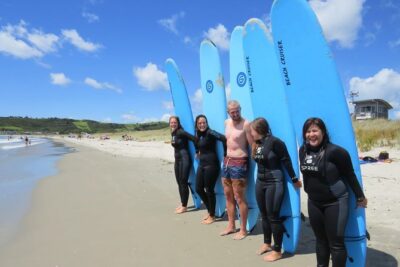
Meeting the group by the surfboard trailer
You meet in the car park near the public toilets. Look for the trailer with the surfboards. Transportation to the activity is not included, so you need to make your own way to this meeting point.
Allow enough time to arrive without rushing. The activity is short, and you want the full two hours for instruction and water practice rather than spending the first minutes looking for the trailer or changing clothes.
The group can include up to eight participants. The maximum instructor-to-student ratio is six to one, which keeps the lesson relatively personal without making it a private class. You should have a reasonable chance of receiving a correction when you need one, though the instructor still has to divide attention among the group.
This format suits friends, couples, and solo visitors who want to meet other beginners. It also keeps the mood less formal than a one-to-one lesson, while offering more guidance than a large class.
The beach briefing covers more than standing up
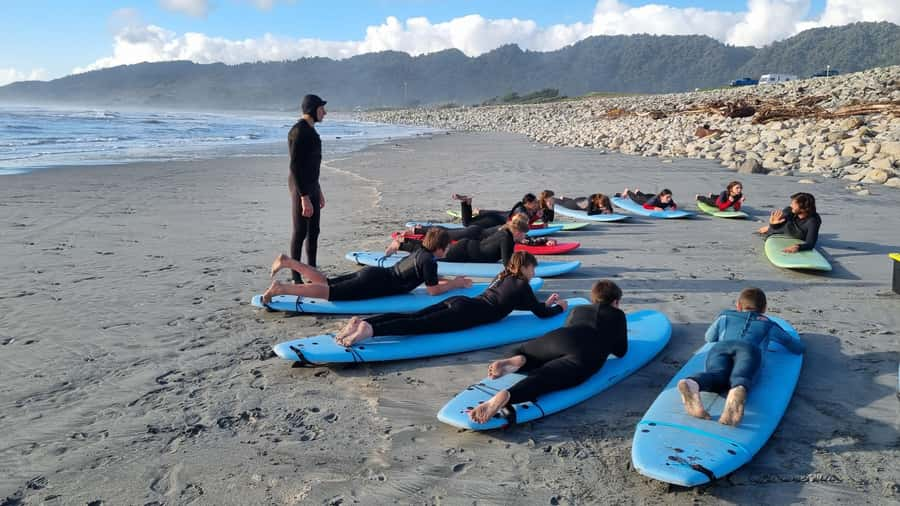
The first part takes place on the beach. You receive a safety briefing and a short lesson on the basic principles of surfing and ocean safety.
This section is important even if you have watched surf videos or tried a board before. Knowing how to stand is only one part of the activity. You also need to understand how to move around on the board, how to approach white water, and how to behave in the ocean.
The exact length of the beach instruction is not specified, so expect a practical introduction rather than a long classroom talk. The goal is to get you ready for the first water session.
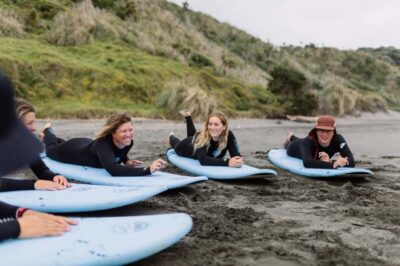
You will also work on the pop-up movement on land. This is the quick transition from lying on the board to standing on it. Practicing it before you are in the water lets you focus on body movement without also dealing with waves, board drift, and balance.
Bring swimwear if you want to wear it under the wetsuit. The activity provides the necessary surf equipment, but you need to bring the personal items that make the before-and-after part of the lesson comfortable.
First water session: board control and white water
Once the beach lesson is finished, you head into the water. The first aim is not immediately to stand. You get used to moving around on the board and learning how it responds.
That step can feel basic, but it is useful. A beginner board is larger and more stable than a small performance board, yet it still shifts when you move your weight. You need to learn how much movement the board can handle and how to keep your body positioned as the water moves beneath you.
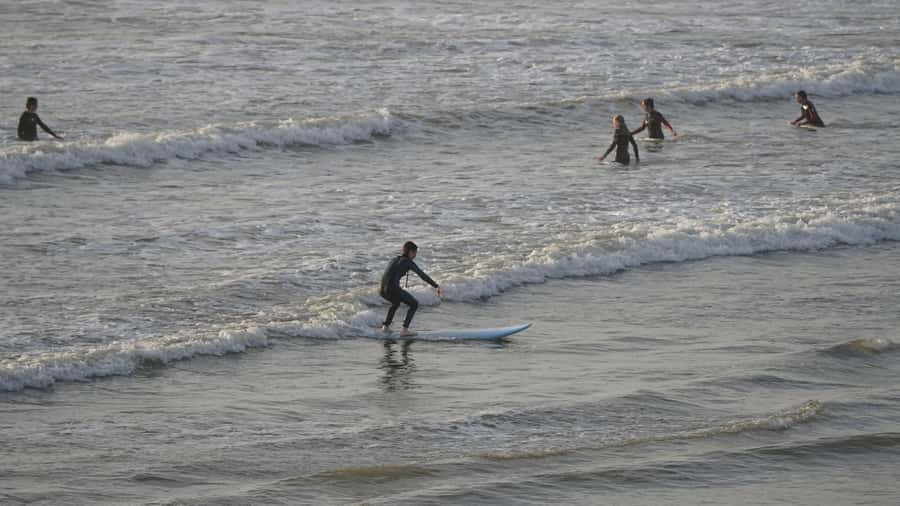
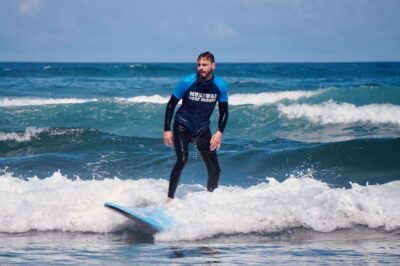
The lesson then works on turning techniques. The aim is to help you catch waves of white water, rather than trying to take on an unbroken wave. White water is the foamy water that has already broken, and it offers a more manageable starting point for a first lesson.
This is where the small group can help. Your instructor can watch your approach and offer a simple adjustment. You might need to angle the board, shift your weight, or time your push forward more carefully. The lesson is not designed to make you an expert in one afternoon. It is designed to give you the first workable pieces.
You should expect some failed attempts. That is part of learning to surf, not a sign that the lesson is going badly. The useful question is whether each attempt gives you a clearer idea of what to change next.
More Two-Hour Experiences in New Zealand:
- 2 Hour Surf Lesson – Te Arai Beach
★ 5.0 · 119 reviews - Private 2 Hour Surf Lesson
★ 5.0 · 5 reviews - Canggu: 2-Hour Surf Course
★ 4.8 · 1,053 reviews - Maui: Two Hour Beginner Group Surf Lesson in Kihei
★ 5.0 · 950 reviews
A short break, then the pop-up challenge
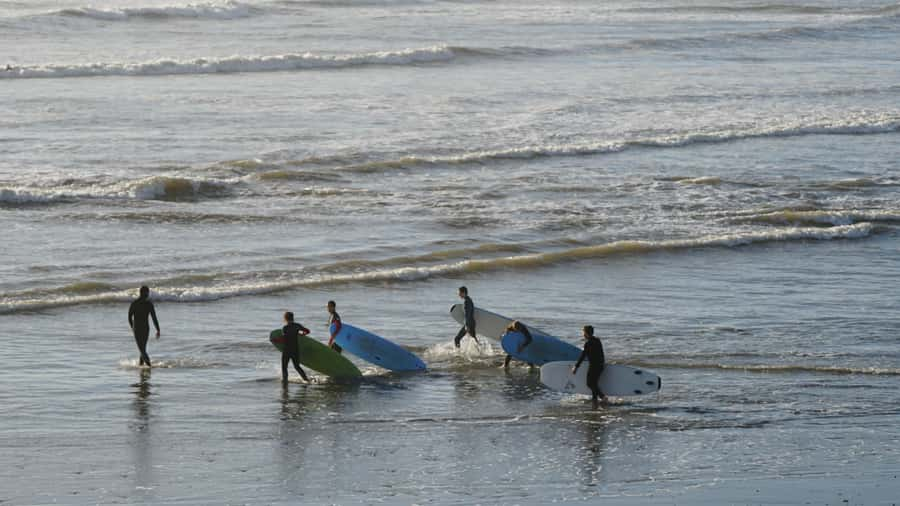
After the first water session, you return to land for hydration and a demonstration of the pop-up. This pause gives you a chance to catch your breath and take stock before the second part.
Bring your own water. Food and drinks are not included, and the activity does not provide transportation. A bottle is a small but important item after time in the water, especially when you are using energy to balance and paddle.
The instructor then demonstrates the movement again. You get another chance to see the sequence before trying it in the water. For a first-time surfer, this repeat explanation is valuable because the first water session may reveal exactly where you are getting stuck.
Pay attention to the order of the movement rather than trying to rush it. The aim is controlled action: moving from lying on the board to a stable standing position while keeping the board moving with the wave.
Second water session: trying to stand on a wave
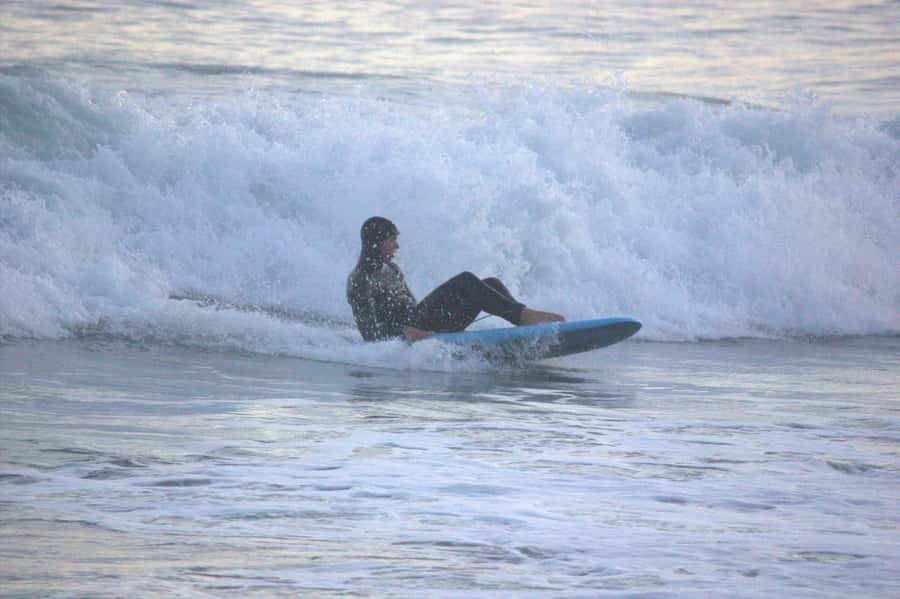
The final part returns to the water with a clear goal: standing up on a wave. You continue to use white water, which keeps the challenge suited to beginners.
This is the part most people are waiting for, but it is also where patience helps. Catching the wave is one task. Staying centered on the board is another. Getting both steps right at the same time may take several tries.
The instructor can help you improve your timing and body position. The feedback available in a small class is especially useful here. A kind instructor who tells you what to adjust can turn a failed attempt into a useful one, rather than leaving you wondering why the board keeps sliding out.
Do not judge the session only by how long you stand. Some people may get a brief ride; others may spend the lesson learning the movements. The value is in understanding how the board, wave, and your body work together. If you finish knowing what to practice next, the lesson has done its job.
What the $71 price includes
At $71 per person, this is a reasonable entry price for a two-hour introduction because the necessary surf equipment is included. You are paying for instruction, safety guidance, board use, and time in the water, not just access to a board.
The small group format also adds value. A private lesson would offer more individual attention, but this class keeps the cost lower while limiting the group to eight people and the instructor ratio to six students per instructor.
The price does not include food, drinks, or transportation. You also need to bring a towel, warm clothing, water, sunscreen, and swimwear if you want it under the wetsuit. Those costs are easy to overlook, so plan for them before you arrive.
The best value comes if you want a genuine beginner session rather than a sightseeing activity. You spend the two hours learning and practicing, with less time devoted to extras. If you already surf regularly, this will probably feel too basic. If you have never surfed, it gives you a practical first step at a modest cost.
Tides, weather planning, and what to bring
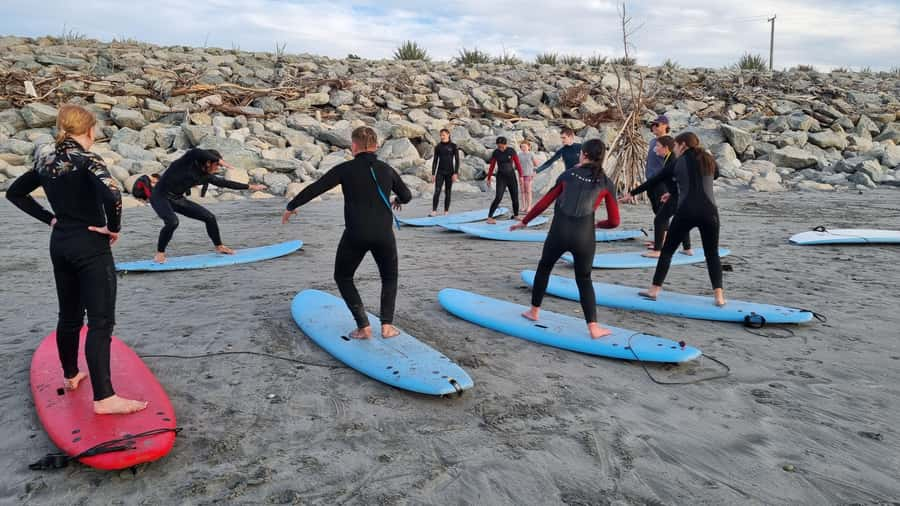
The lesson times vary according to the tide, with the aim of using a lower tide. You do not receive a fully fixed timetable at the moment of booking. After you book, Out The Back contacts you directly with the correct time for the lesson on your chosen day.
Keep your day flexible around that contact. This is the most important scheduling point. Do not book another activity too close to the surf lesson until you know the final start time.
Bring:
- Swimwear
- A towel
- Warm clothing for after the lesson
- Sunscreen
- Water
Warm clothing matters because you may feel chilled after getting out of the water, even if the day itself feels mild. A towel is not supplied, so pack one before leaving your accommodation.
The lesson is taught in English. You also need to follow the basic rules: alcohol and drugs are not allowed, and littering is not allowed. These are straightforward requirements, but they matter in a water activity where safety and care for the beach go together.
Who should book this Greymouth surf lesson?
This is a good choice for adults and children aged eight or older who want a first surfing experience in a structured setting. You do not need advanced surf ability. The lesson is built around the basics, from board movement to catching white water and trying to stand.
It also suits people who want a social activity. The small group gives you company without the feel of a crowded class. Solo visitors can meet other beginners, while friends can learn together and compare their first attempts.
You should not book if you are a non-swimmer, have back problems, or are bringing a child under eight. Those restrictions are important. Surfing involves movement, balance, and time in the water, so you need to be comfortable with the basic demands of the activity.
This is also not the best match if you need a fixed start time. The tide determines the schedule, and the exact time is confirmed later. For a flexible day in Greymouth, that arrangement is manageable. For a tightly packed itinerary, it may be awkward.
Cancellation and booking flexibility
You can cancel up to 24 hours in advance for a full refund. The reserve-now-and-pay-later option also lets you hold a place without paying at the time of booking, which is useful when your South Island plans are still changing.
Remember that the final lesson time comes directly from Out The Back after booking. Check that message carefully and keep your phone or email available on the day you have selected.
Should you book the two-hour lesson?
Book this experience if you want a practical, low-commitment introduction to surfing and you can keep your schedule flexible for the tide. The safety briefing, equipment, two water sessions, and small group make the $71 price fair for a first attempt.
You should especially consider it if you value clear instruction over a quick photo opportunity. The lesson takes you through the parts beginners often skip: moving on the board, turning toward white water, practicing the pop-up, and understanding what to change after a failed attempt.
Skip it if you are not a swimmer, have a back problem, need a guaranteed start time, or already know the basics of surfing. For everyone else, this is a sensible way to test the water in Greymouth without buying equipment or committing to a longer course.
FAQ
How long is the Greymouth beginner surf lesson?
The lesson lasts two hours. It includes a beach safety and surf briefing, water practice, a return to land for hydration and pop-up instruction, and a second water session focused on standing on a wave.
What is included in the price?
The $71 price includes the two-hour beginner surf lesson, safety and ocean safety instruction, necessary surf equipment, and an instructor with a maximum six-to-one student ratio.
Where do I meet the instructor?
Meet at the car park near the public toilets. Look for the trailer with the surfboards.
What should I bring?
Bring swimwear, a towel, warm clothing for after the lesson, sunscreen, and water. Swimwear can be worn under the wetsuit if you wish.
How is the lesson time decided?
Lesson times vary with the tide, with the activity aiming for a lower tide. After booking, Out The Back contacts you directly with the correct lesson time for your chosen day.
Who should not take this lesson?
The activity is not suitable for children under eight, non-swimmers, or people with back problems.
Just added for surfers in New Zealand
- Group Beginner Surf Lesson in Mount Maunganui★ 5.0 · 2 reviews
- Beginner Surf Lesson at Te Arai Beach★ 5.0 · 6 reviews
- Private 2 Hour Surf Lesson★ 5.0 · 5 reviews
- Raglan: Private 1:1 Surf Lesson★ 5.0 · 2 reviews
- Raglan: 3 Day Surf Lesson Package★ 5.0 · 2 reviews
- Mount Maunganui: Group Beginner Surf Lesson★ 5.0 · 16 reviews
- Mount Maunganui: Private Surf Lesson★ 5.0 · 2 reviews
- Raglan: 2 Day Surf Lesson & Rental Package★ 4.6 · 5 reviews
New Zealand Surf Lessons, compared.
Auckland: Group Surfing Lesson with Muriwai Surf School
Read our review →
Queenstown: White Water Surfing Along the Kawarau River
Read our review →
Browse the lists this tour appears in