
Review · OAHU
Oahu: Private Surfing Lesson with Local Big Wave Surfer
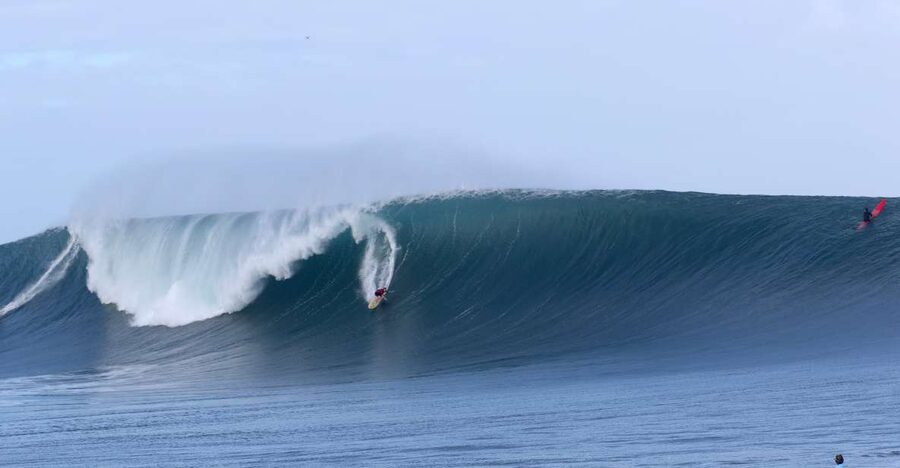
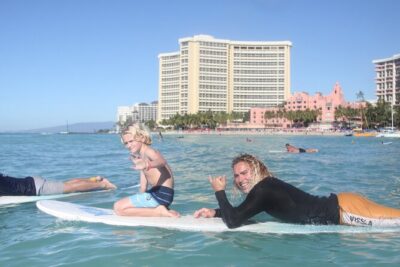
A local big-wave surfer teaches you the basics in Waialua Bay, then stays with you as you try to catch waves. The lesson begins on the beach with safety, surf etiquette, and board technique before moving into the water. It is a focused way to try surfing without being lost in a large class.
I like the private format, which gives you direct corrections instead of a one-size-fits-all lecture. I also like the promise of actual time riding waves, plus the chance to spot green sea turtles or monk seals near the bay. The main consideration is simple: you must be able to swim and handle ocean conditions, and the lesson is not suitable for people with heart problems or mobility impairments.
Key points to know before booking
- Private coaching in Waialua Bay: You get personal instruction rather than sharing a coach with a large class.
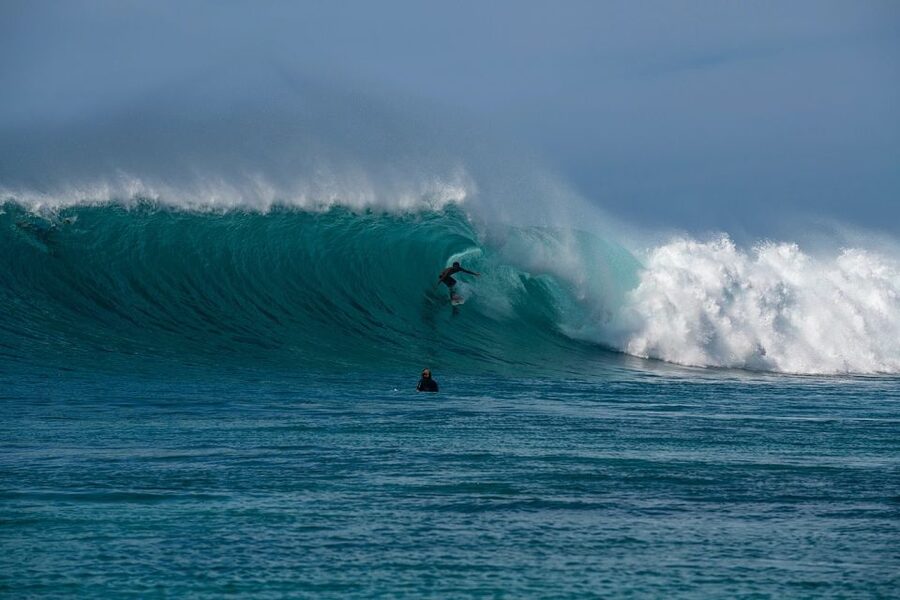
- A local big-wave rider leads the lesson: You learn technique and surf etiquette from someone familiar with serious North Shore conditions.
- Beach instruction comes first: Expect a safety briefing, help with standing on the board, and an explanation of how to approach the break.
- You are expected to ride during the session: The lesson is built around getting up on the board, not only practicing on shore.
- Equipment is supplied: Your surfboard, leash, and lycra top are included. Request booties or a lifejacket before the lesson if needed.
- The lesson suits beginners and experienced surfers: An instructor can work on basic balance or help sharpen your fundamentals and ocean etiquette.
Why this Haleiwa lesson works well for first-time surfers
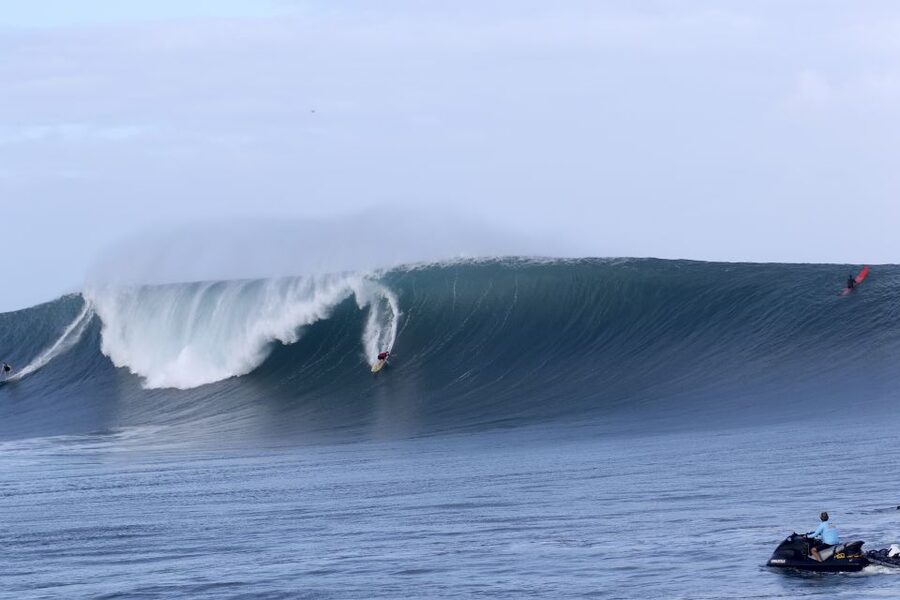
Surfing can look easy from the beach. Paddle, stand, glide. In practice, the timing is fussy, the board moves beneath you, and the ocean does not pause while you think.
That is why a private lesson can be worth considering. Your instructor can watch your position, tell you when to paddle, and correct the small errors that keep you flat on the board. You will not need to guess whether your feet are too far forward or whether you are trying to stand too early.
This lesson takes place in Haleiwa on Oahu’s North Shore, with the water time centered on Waialua Bay. The setting gives the experience a genuine surf-school feel rather than a short photo stop. You meet at the beach, learn the basics, and then put them to work in the same area.
The class is described as suitable for all experience levels. For a first-timer, that means learning how to handle the board and catch a small wave with help. If you have surfed before, you can use the time to improve your fundamentals, positioning, and etiquette.
The most useful feature is the amount of individual attention. One instructor works with a private group, so the lesson can respond to your pace. That matters if one person in your group is standing quickly while another is still figuring out how to paddle.
More Private Surf Lessons in Oahu
- Private Surfing Lessons in Waikiki
★ 5.0 · 176 reviews - Oahu Private Surfing Lesson
★ 5.0 · 113 reviews - Private Surf Lesson at Waikiki Beach
★ 5.0 · 107 reviews
Meeting your instructor at the Haleiwa beach
You will park in the dead-end parking lot, where you should see plenty of other surfers. From there, call your instructor and meet at the beach.
This meeting arrangement is practical, but it does require a little attention. You are not being collected from a Waikiki hotel, and the experience does not include transport. Plan your route to Haleiwa and allow time to find the parking area. Once you are there, the nearby surfers and beach setting should make the meeting point easier to recognize.
Instructor names associated with past sessions include Jason and Jacob. If one of them is leading your lesson, you can expect an instructor who has been praised for patience, clear advice, and a calm manner with beginners. The important point is not the name alone, but the one-on-one format and the chance to ask questions as they come up.
The experience lasts 1.5 hours. That is long enough for a short beach lesson and a meaningful period in the water, but it is not an all-day surf camp. You should arrive ready to use the time efficiently.
The beach briefing: safety before speed
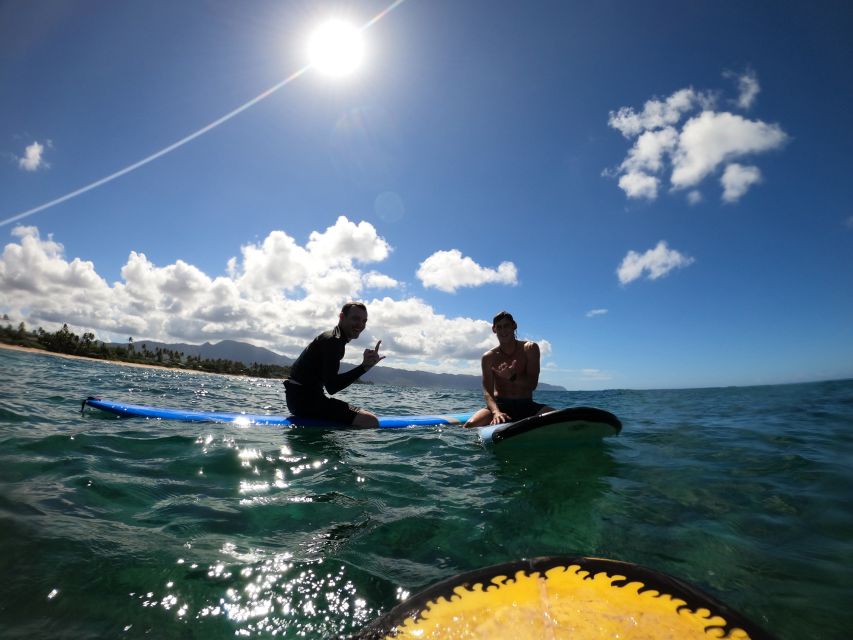
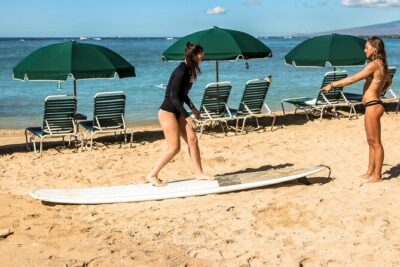
The lesson begins on land. Your instructor explains how to stand on the board, how to navigate the surf break, and how to reduce the risks that come with surfing in Hawaii.
This part may feel less exciting than catching a wave, but it is where the lesson earns its keep. A good beach briefing gives you a plan before the board is moving. You learn what to do with your feet, how to position your body, and how to move through the break with more control.
Surf etiquette is another useful part of the instruction. You learn how to share the water with other surfers and how to minimize danger around the break. That is especially important on the North Shore, where experienced surfers may be using the same water.
One student specifically improved their understanding of proper etiquette and the basic dangers of surfing in Hawaii. That is advice worth taking seriously. A beginner who knows where to paddle and when to yield is safer and less likely to interfere with another surfer.
You will also learn the mechanics of standing on the board. The instructor demonstrates the movement and helps you understand when to go from lying down to standing. It sounds basic, but this quick transition is where many first lessons are won or lost.
Moving into Waialua Bay
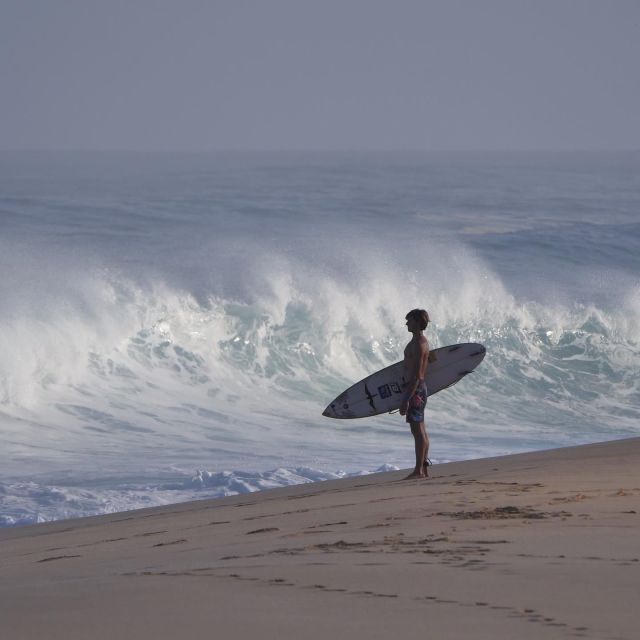
After the shore instruction, you take the equipment into the water. The exact wave conditions will shape the session, but the purpose is clear: paddle out, find suitable waves, and use the techniques you just practiced.
The instructor provides personal feedback as you go. That might mean adjusting your stance, helping with timing, or showing you how to approach the wave more effectively. The advantage of a private class is that this advice can be aimed at you, not at a mixed group with several different skill levels.
You are promised the chance to get up and ride during the session. That does not mean every wave will work perfectly. Surfing still depends on timing, balance, and the conditions at that moment. It does mean the lesson is organized around actual participation rather than a demonstration from shore.
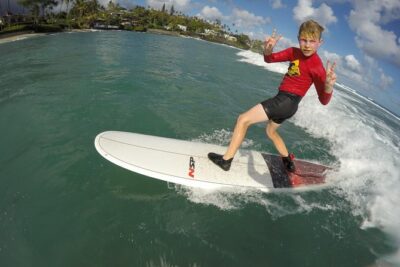
One first-time student managed three rides during a session. That is a useful benchmark for your expectations. You may stand more or less often, but the goal is to leave with a real sense of how a wave feels beneath the board.
The instructor is also a local big-wave surfer and experienced tube rider. That does not mean you will be sent toward big waves. For a beginner, the value is the instructor’s familiarity with surf technique, ocean awareness, and the habits needed to stay safe and respectful in the water.
More Private Surf Lessons in the USA
- Private Surfing Lessons on the North Shore of Oahu
★ 5.0 · 87 reviews - Private Surf Lesson in Waikiki
★ 5.0 · 83 reviews - 1.5-Hour Semi Private Surfing Lesson in Honolulu
★ 5.0 · 76 reviews - Oahu Semi Private Surfing Lesson
★ 5.0 · 73 reviews
What the private format changes
A private lesson costs $110 per person. That is more than a basic group introduction might cost, but the comparison should focus on what you receive for the money.
You get a private instructor, the lesson itself, and the required equipment: surfboard, leash, and lycra top. You also get direct coaching for the full 1.5-hour session. If you learn best through quick corrections and repeated attempts, that concentrated attention can make the price reasonable.
The format is particularly useful for a small group with different abilities. A beginner can work on standing while a more experienced surfer asks about etiquette or technique. The instructor does not have to spend the whole class delivering the same explanation to everyone.
It is less attractive if you already surf confidently and only want unrestricted board time. This is a coached session, not a board rental. You are paying for instruction, safety guidance, and help catching waves.
A surf photographer is not included. If you want professional action shots, you will need to arrange that separately. For many people, this is an easy feature to skip. The lesson itself keeps the focus on learning rather than posing for the camera.
Equipment, clothing, and physical demands
The included surfboard, leash, and lycra top simplify the planning. You do not need to bring your own board or arrange basic surf equipment before arriving.
Booties and a lifejacket are available if requested before the session. If you need either item, make the request in advance rather than waiting until you reach the beach. A lifejacket can be especially useful for someone who is less confident in the water, although non-swimmers are not permitted to take this lesson.
You should be comfortable in the ocean and able to swim. Surfing involves paddling, balancing, falling, and getting back onto the board. The activity is not suitable for people with heart problems or mobility impairments.
The information also describes the activity as wheelchair accessible while separately stating that it is not suitable for people with mobility impairments. Treat the physical suitability warning as the more important guide for your decision, and contact the provider before booking if access needs are a concern.
Bring the practical beach basics you normally need, but remember that only the listed surf equipment is included. Details such as towels, food, and transport are not provided, so plan those separately.
Wildlife and the North Shore setting
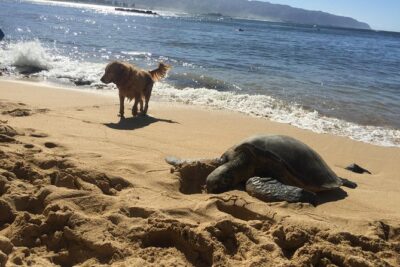
The bay can offer more than a lesson. Keep an eye out for green sea turtles and monk seals in the area. Wildlife sightings are not guaranteed, but they add a special note to the time you spend on the water.
The setting also gives you a feel for Haleiwa’s surf culture. You park near other surfers, meet at the beach, and learn local rules before entering the bay. It is a more direct connection to the sport than a quick resort-area activity.
At the same time, you should not confuse a local surf setting with a private stretch of water. Other surfers may be nearby, which is one reason the etiquette briefing matters. You are learning how to take part in a shared ocean space.
The North Shore also has a reputation for serious surf, but this lesson is not advertised as a big-wave session for beginners. Your instructor’s experience should help match the coaching to your level. You should still follow the instructor’s directions and accept that ocean conditions affect what is possible on the day.
Who will get the most from the 1.5 hours
This lesson suits a first-time surfer who wants more attention than a large group class provides. It is also a good match for someone who has tried surfing before but never learned the basics of timing, stance, or etiquette properly.
It works well for:
- A beginner who wants a strong chance to stand and ride
- A couple or small private group with different ability levels
- A surfer who wants personal corrections on basic technique
- Someone interested in learning North Shore surf etiquette
- A visitor who wants time in the water rather than a beach demonstration
It is not the right pick for a non-swimmer, someone with a heart condition, or a person whose mobility makes paddling and board handling difficult. It is also not ideal if your main goal is to rent a board and practice independently.
The 1.5-hour length is a good introduction, but it leaves little room for a slow start. Listen closely during the beach briefing and get into the water ready to try. The more quickly you apply the instruction, the more value you get from the session.
Booking, cancellation, and practical details
The price is $110 per person, and the group is private. English is the teaching language.
You can reserve the activity and pay later, which helps if your Oahu plans are still changing. You can also cancel up to 24 hours before the start time for a full refund. Starting times vary, so check availability when choosing your date.
The experience ends back at the meeting point. Since no transport is included, you are responsible for reaching the Haleiwa parking area and returning from there.
Plan to call the instructor once you arrive, as directed. Keep your phone available and make sure you know where the dead-end parking lot is before setting out. Those small steps can prevent a rushed start.
Should you book this Haleiwa surf lesson?
Book it if you want a real introduction to surfing with a private instructor, supplied equipment, and a clear chance to practice in the water. The strongest reasons are the one-on-one feedback, the attention to safety and etiquette, and the focus on getting you upright on the board.
The $110 price makes the most sense if you value instruction more than simply borrowing a surfboard. Beginners and rusty surfers should get the most from it. You will also appreciate the local setting, the possibility of seeing turtles or monk seals, and the chance to learn from an experienced big-wave rider.
Skip it if you cannot swim, have a heart problem, have mobility limitations, or want a completely independent surf session. For everyone else, this is a compact, practical way to meet the North Shore through its most famous activity: standing up, finding your balance, and letting a wave carry you toward shore.
FAQ
How long is the private surfing lesson?
The lesson lasts 1.5 hours. Check availability for the available starting times.
Where do I meet the instructor?
Park in the dead-end parking lot in Haleiwa, where other surfers should be nearby. Call your instructor and meet them at the beach. The activity ends at the same meeting point.
What equipment is included?
The package includes a surfboard, lycra top, leash, and private instruction. Booties and a lifejacket are available if you request them before the session.
Is the lesson suitable for beginners?
Yes. The class is suitable for all experience levels and includes beach instruction on safety, standing on the board, surf technique, and etiquette before you enter the water.
Do I need to know how to swim?
Yes. The activity is not suitable for non-swimmers. A lifejacket can be requested before the session, but you still need to meet the swimming requirement.
Can I cancel the lesson for a refund?
You can cancel up to 24 hours in advance for a full refund. The activity also offers a reserve-now, pay-later option.
Just added for surfers in Oahu
- Surf Honolulu: Ala Moana Stand-up Paddleboard Lesson★ 5.0 · 3 reviews
- Semi-Private Surfing Lesson in Waikiki, Oahu★ 5.0 · 26 reviews
- Waikiki 2 Hours Private Guided Surf Lesson★ 3.5 · 8 reviews
- Surf Activity on the Wai Kai Wave in Ewa Beach★ 5.0 · 8 reviews
- Surf Lessons on the North Shore Great for Families and all Ages★ 5.0 · 27 reviews
- Learn to surf with a local big wave rider on the North Shore of Oahu★ 4.5 · 10 reviews
- Private Group Surf Lesson★ 5.0 · 47 reviews
- Semi-Private Surf Lesson★ 5.0 · 17 reviews
Oahu Surf Lessons, compared.
Beginner-Friendly Waikiki Beach Surfing Lesson
Read our review →
Family, Private & Group Surfing Lessons, Waikiki Courtesy Shuttle
Read our review →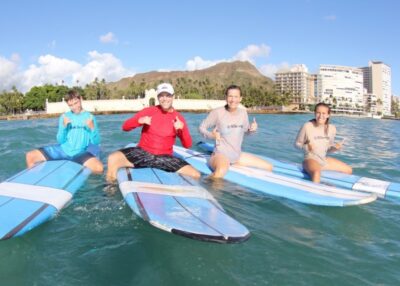
Browse the lists this tour appears in