
Review · OAHU
Oahu: Beginner-Friendly Waikiki Beach Surfing Lesson
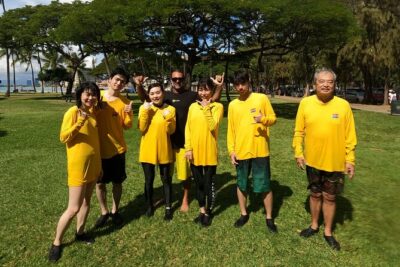
Waikiki is one of the world’s best places to try surfing for the first time, and this lesson gets you onto the water quickly. You begin with 20 to 30 minutes of land instruction, then spend about 70 minutes catching small waves with an instructor close by. I especially like the small-group setup and the patient coaching from instructors such as Yuko, Mito, John, Noah, Kai, and Shuji.
The $125 price is fair for a two-hour lesson with a board, reef shoes, rash guard, leash, and supervision included. I also like that parking by the ocean is free. The main drawback is that the meeting spot can be hard to spot, and photo or video packages cost an extra $45.
Key points to know before you book
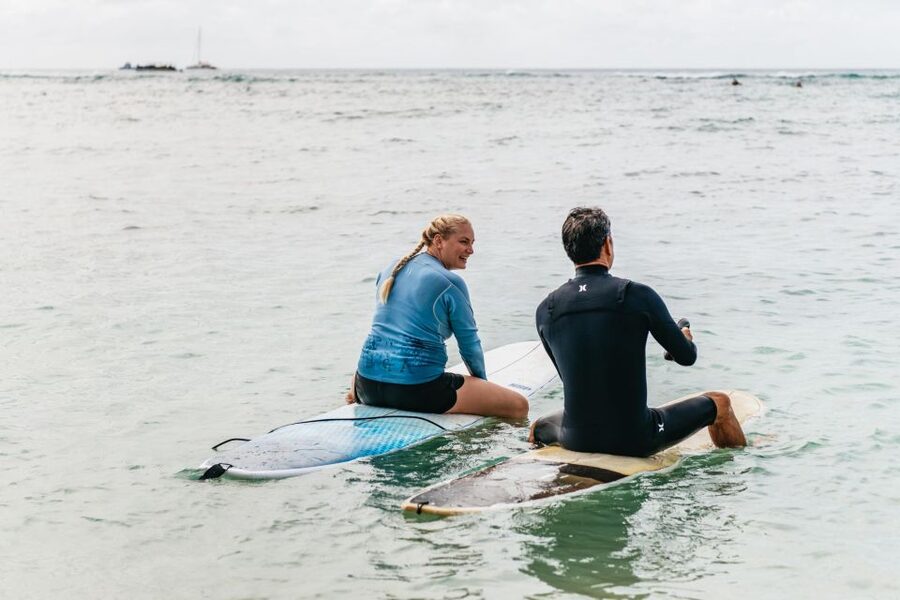
- Small groups keep the lesson personal: The stated limit is eight people, with as many as one instructor for every four students. Some sessions have only one to three students per instructor.
- You get real water time: After beach practice, expect roughly 70 minutes in the waves, not just a quick demonstration.
- The instructors focus on first-timers: They help with board position, wave choice, balance, and standing technique.
- All basic equipment is included: You receive a surfboard, leash, reef shoes, HURLEY rash guard, and an optional wetsuit.
- Photos and videos are available for $45: This is a worthwhile add-on if you want proof of your first rides, but it raises the total cost.
- The lesson suits ages 12 and older: It is not suitable for children under 12, pregnant women, or wheelchair users.
Why Waikiki is a smart place to learn surfing
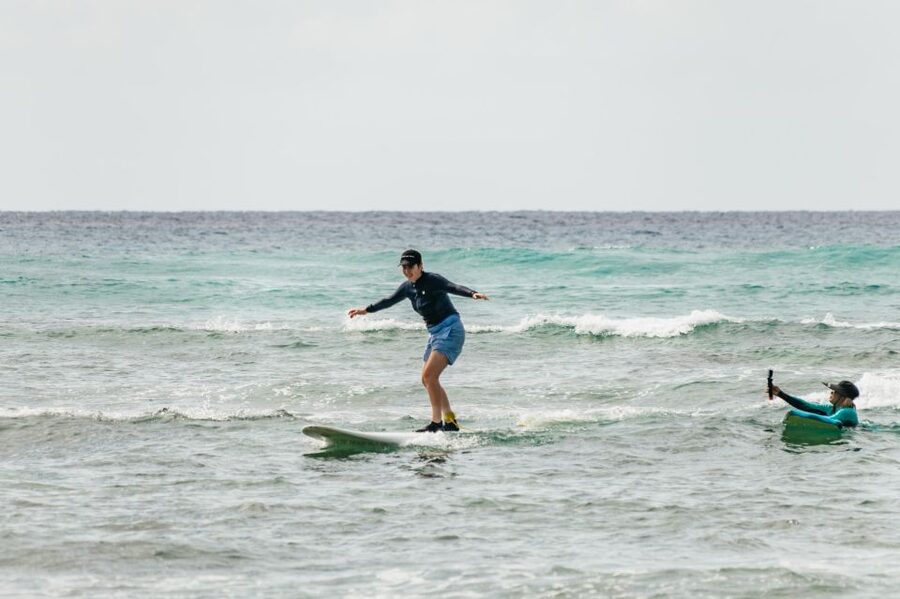
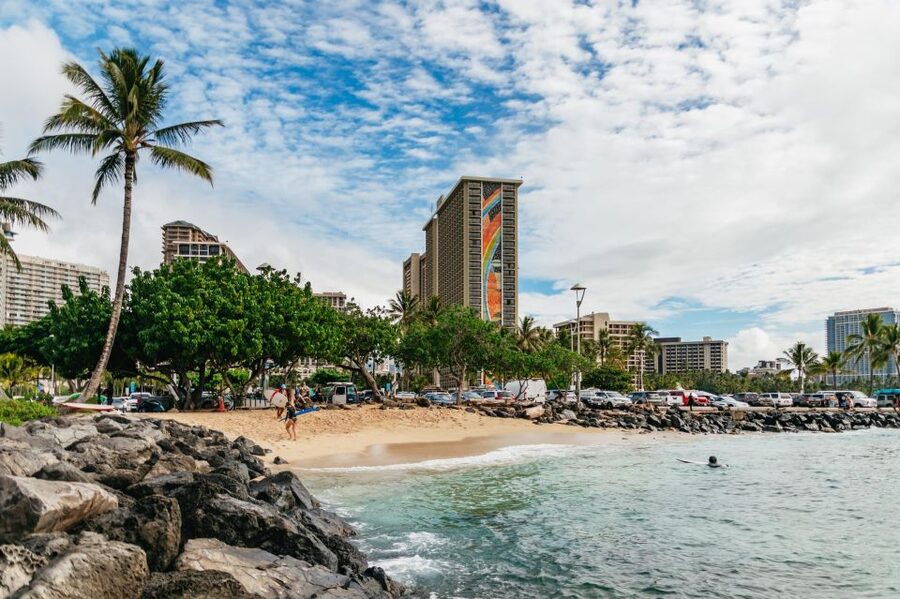
Waikiki gives beginners a friendly introduction to Hawaiian surfing without sending you straight into difficult conditions. The lesson takes place in an uncrowded part of the beach, where the focus is on steady progress rather than speed or showmanship.
That matters when you are trying to manage a long board, watch the incoming water, remember your foot position, and stand up at the right moment. You have enough space to concentrate, and the instructors can help you choose manageable waves.
The setting also gives the lesson a strong sense of place. You are not practicing in a pool or on an artificial wave. You are learning on the famous Waikiki shore, with the glittering Pacific around you and the possibility of seeing turtles in the water. One student even described standing for the first time while surfing near turtles.
You should still keep expectations sensible. Surfing is not automatic, even with good teaching. You may fall several times before you ride a wave, and conditions can change. The goal here is to learn the basics and build confidence, not become an expert in two hours.
More Beginner Surf Lessons in Oahu
- Oahu: Waikiki 2-Hour Beginner Group Surf Lesson
★ 4.9 · 191 reviews - North Shore Beginner Surf Lesson, Hawaii
★ 4.5 · 114 reviews - Surf lessons for beginners in Waikiki
★ 4.0 · 40 reviews
Your first 20 to 30 minutes on the beach
You meet at Surfer Girl Academy, where you get fitted with your equipment. The package includes the surfboard, leash, reef shoes, HURLEY rash guard, and wetsuit if you want one. Bring swimwear, a towel, sunscreen, water, and dry clothes for afterward.
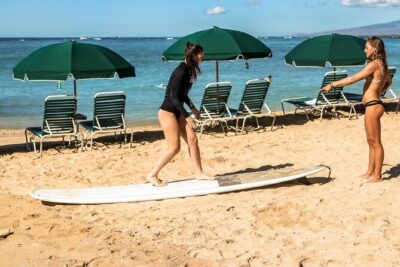
The beach lesson covers general ocean safety, the basics of surfing, and the correct way to stand on the board. This dry practice may feel simple, but it is one of the most useful parts of the session. Getting your stance right on land means you can spend more time in the water working on timing.
The instructors also show you how to handle the board and follow directions once you are in the waves. Pay close attention here. Several students who had never surfed before managed to stand up during the lesson, and that success came from listening carefully to instructions about balance and board position.
This is also the time to ask questions. If you are worried about falling, losing your board, or not being strong enough to paddle, say so. The lesson is designed for all skill levels, and the teaching can be adjusted to your pace.
About 70 minutes catching waves
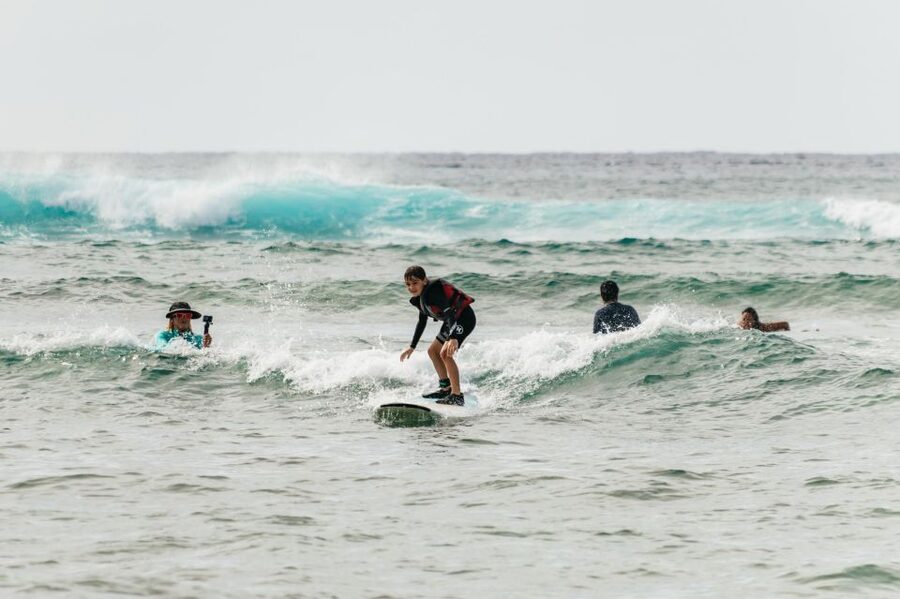
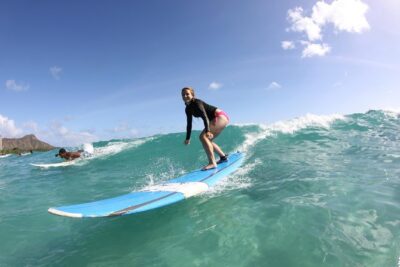
After the beach instruction, you head into the water for roughly 70 minutes of supervised surfing. This is the heart of the experience. The instructor helps position your board, watches the waves, and tells you when to paddle and stand.
The process is simple in theory, but tricky in practice. You lie on the board, paddle when told, push up, place your feet, and keep your balance as the wave carries you forward. At first, you may need help with the timing. That is where the instructor matters most.
A strong teacher does more than explain the steps. The teacher spots a suitable wave, points your board in the right direction, and gives you a clear signal. Miko was praised for positioning boards and choosing waves efficiently, while instructors such as Yuko, John, Shuji, Noah, and Kai were singled out for patience and encouragement.
The group size helps here. The usual setup allows one instructor for every four participants, with no more than eight people in the group. The actual ratio may be smaller. One session had three students with two guides, and another was a solo lesson because nobody else had booked the same early start.
That smaller attention can make a big difference. You are not left guessing when to go, and the instructor can correct your posture after each attempt. You may fall at the start, but the lesson gives you enough time to try again and catch several waves.
What makes the teaching effective
The most praised part of this activity is not the beach scenery. It is the instructors. They are described as friendly, patient, supportive, and careful about safety. Some have surfed for decades, and Shuji was noted for experience as a coach and mentor in youth sports.
You can expect direct help rather than a long talk followed by free time. Instructors guide you through the waves and keep an eye on your position. If you drift too far, a guide helps bring you back. That kind of attention is important for a first lesson, especially when the board and current feel unfamiliar.
The teaching style also seems to balance safety with action. You spend only 20 to 30 minutes on the sand before getting into the water. That is a good choice for most beginners. Too much beach instruction can make you nervous, while too little can leave you confused.
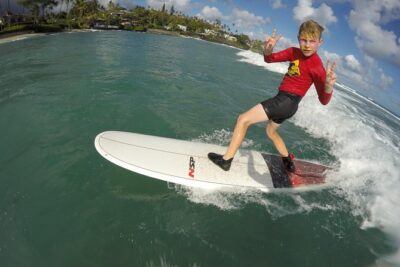
The lesson is also encouraging without promising instant success. Students who arrived with no experience were able to ride waves, sometimes more than once. A few people said they felt ready to try surfing on their own afterward. That does not mean you should rent a board and head into unfamiliar water without care, but it does suggest that the lesson gives you a useful starting base.
English and Japanese instruction is available. If you have any concern about communication, confirm your preferred language when booking.
More Beginner Surf Lessons in the USA
- Maui: Two Hour Beginner Group Surf Lesson in Kihei
★ 5.0 · 950 reviews - 2 Hour Beginner Group Surf Lessons
★ 5.0 · 154 reviews - Surf Class for Beginners in Venice
★ 5.0 · 83 reviews - Learn to Surf in La Jolla
★ 5.0 · 56 reviews
Equipment, comfort, and practical details
The equipment package is generous for a beginner lesson. A board, leash, reef shoes, rash guard, and optional wetsuit are included. Reef shoes are useful for foot protection and comfort around the shore, while the rash guard helps protect your skin from the board and sun.
Bring your own swimwear, towel, water, sunscreen, and a change of clothes. Cash is also listed as something to bring. Parking by the ocean is free, which helps keep the total cost under control in Waikiki.
The meeting point is Surfer Girl Academy. The beach itself is described as small, and one person found the location confusing at first. Give yourself time to find the academy, and if you are unsure, call the company rather than wandering around with your surf lesson time approaching.
The activity lasts two hours, but the timetable includes both beach instruction and water time. You are not surfing nonstop for the full two hours. Roughly 20 to 30 minutes takes place on land, followed by about 70 minutes in the water, with time for gearing up and moving between the two.
Is the $125 price good value?
At $125 per person, this is not the cheapest way to stand on a surfboard, but it includes the items that can make a first lesson expensive elsewhere. You get the instructor, lesson, board, leash, reef shoes, rash guard, and optional wetsuit.
The strongest value comes from the small-group teaching. A cheaper lesson with a large group may leave you waiting while other people take their turns. Here, the planned ratio is one instructor for four participants, and some sessions have even more individual attention.
The free oceanfront parking is another small saving. The main extra charge is the $45 photo and video package. Several people thought the footage was excellent and worth buying, while others wished it cost less. I would decide before the lesson based on your budget. If this is your first time surfing and you want pictures of your first ride, the package may be worth skipping lunch for. If you are focused on keeping costs down, the lesson itself is the important part.
At $125, I would call the experience good value for a first-time surfer who wants instruction and equipment in one package. It is less appealing for someone who already surfs and only needs a board rental.
Who should book this lesson?
This is best for beginners and cautious first-timers. You do not need previous surfing experience, and the teaching covers everything from ocean safety to standing technique.
It also works well for families with older children. Children must be at least 12, and several family groups had a good time learning together. Keep in mind that participants need to be comfortable in the water and able to take part in a physical beach activity.
You may also like it if you are traveling alone. A solo booking can sometimes turn into a private or nearly private lesson, depending on the schedule. One person who booked an early session ended up with the instructor alone.
The experience is less suitable if you need wheelchair access, are pregnant, or want a completely dry sightseeing activity. It is also not the right choice if your main goal is a long free-surf session. This is a lesson first, with guided practice built in.
A few smart ways to prepare
Wear swimwear under clothes that are easy to change. Bring water and sunscreen, and protect your skin before you arrive. You will be outside and in the sun, so these basics matter more than packing extra gear.
Listen closely during the beach practice. The instructions about standing, board direction, and ocean safety save time once you reach the water. If you are nervous, tell the instructor. The teaching is built around helping first-timers gain confidence gradually.
Do not judge the lesson by your first fall. Nearly everyone starts with a mistake or two. Focus on the next attempt, since the instructors can adjust your board position and timing.
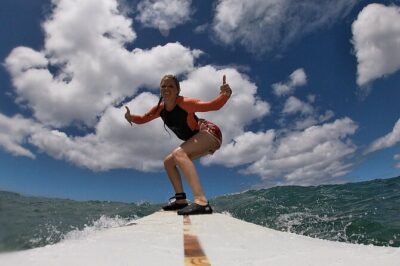
If you want photos, ask about the $45 option early. The guides may take GoPro-style images and videos during the session, and the files can be purchased afterward. This is a nice record of your first ride, but it is not part of the $125 price.
My take: book it if you want a real first ride
I would book this lesson if you want to try surfing in Waikiki with close instruction and most of the gear included. The combination of a small group, patient guides, manageable waves, and a full 70 minutes in the water gives you a real chance to stand up and ride.
The main cautions are the extra photo charge, the somewhat hard-to-find meeting spot, and the fact that surfing still takes effort even in a beginner-friendly setting. Arrive prepared, listen to the instructors, and do not expect every wave to work.
For a first taste of Hawaiian surfing, this is a strong choice. The teaching team, with instructors such as Yuko, Mito, John, Noah, Kai, and Shuji, receives especially high praise for making nervous beginners feel capable. Book it if learning to catch your first wave matters more to you than simply posing with a board on the beach.
FAQ
How long does the surfing lesson last?
The activity lasts two hours. You spend about 20 to 30 minutes on land learning surfing basics and ocean safety, followed by roughly 70 minutes of supervised surfing.
Is the lesson suitable for complete beginners?
Yes. The lesson is designed for all skill levels, including people who have never surfed before. The instructor teaches you how to stand on the board, choose waves, and follow basic safety directions.
How large is the group?
The group is limited to eight participants, with a planned ratio of one instructor for every four people. Some sessions may be smaller, and solo lessons can happen when few people book the same time.
What equipment is included?
The price includes the instructor, lesson, surfboard, leash, HURLEY rash guard, reef shoes, and an optional wetsuit. Photos and video downloads are available for an additional $45.
What should I bring?
Bring swimwear, a towel, a change of clothes, sunscreen, water, and cash. Parking by the ocean is free.
Who cannot take this lesson?
The lesson is not suitable for children under 12, pregnant women, or wheelchair users.
Just added for surfers in Oahu
- Surf lessons for beginners in Waikiki★ 4.0 · 40 reviews
- 1.5-Hour Private Surfing Lesson in Honolulu★ 5.0 · 57 reviews
- Surf HNL: Surf Lessons near Ko’olina!!!!!★ 5.0 · 64 reviews
- Surf Lesson in Haleiwa★ 5.0 · 60 reviews
- Oahu: Kids Surfing Lesson in Waikiki Beach (up to 12)★ 5.0 · 59 reviews
- North Shore Surfing Lessons Oahu Hawaii★ 4.5 · 68 reviews
- Group Surf Lesson with Videos and Photos★ 5.0 · 69 reviews
- Oahu Semi Private Surfing Lesson★ 5.0 · 73 reviews
Oahu Surf Lessons, compared.

Family, Private & Group Surfing Lessons, Waikiki Courtesy Shuttle
Read our review →

Surf Lesson Without the Crowds Including GoPRO Videos
Read our review →Browse the lists this tour appears in