
Review · OAHU
Oahu: Waikiki 2-Hour Semi-Private Surfing Lesson
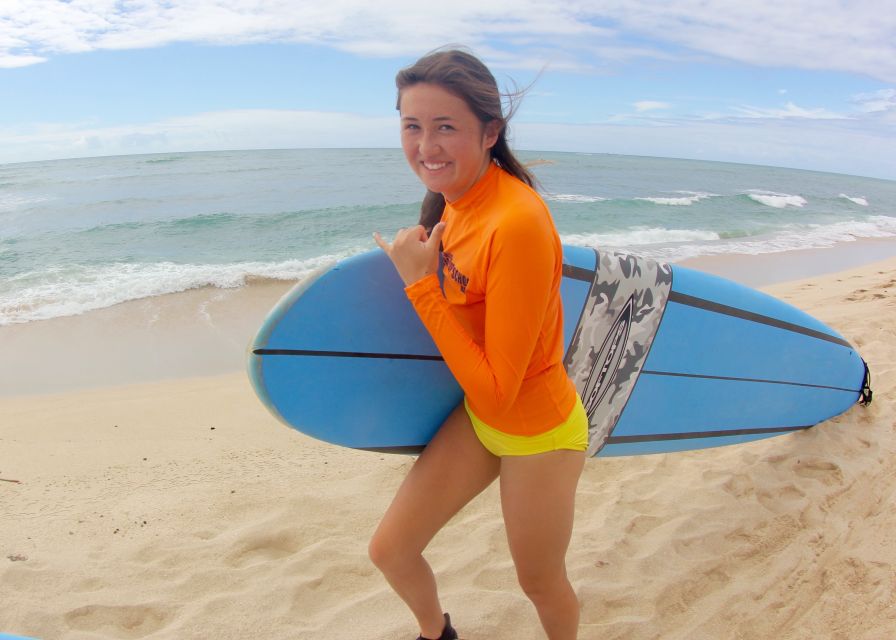
The best part of this Waikiki surf lesson is the setting: you learn at a secluded beach, not in the thick of Waikiki’s main surf crowd. I like the useful 20-minute land lesson, which covers currents, tides, wind, safety, etiquette, and the mechanics of standing up. I also like that your instructor adjusts the board and lesson to your skill level, so beginners are not left guessing.
The main consideration is that this is a physically active water lesson, not a sightseeing cruise with a little surfing added. Weak swimmers, children 10 and under, and people with certain health or mobility issues need special consideration, and one past booking arranged in Spanish but received instruction in English.
Key points at a glance
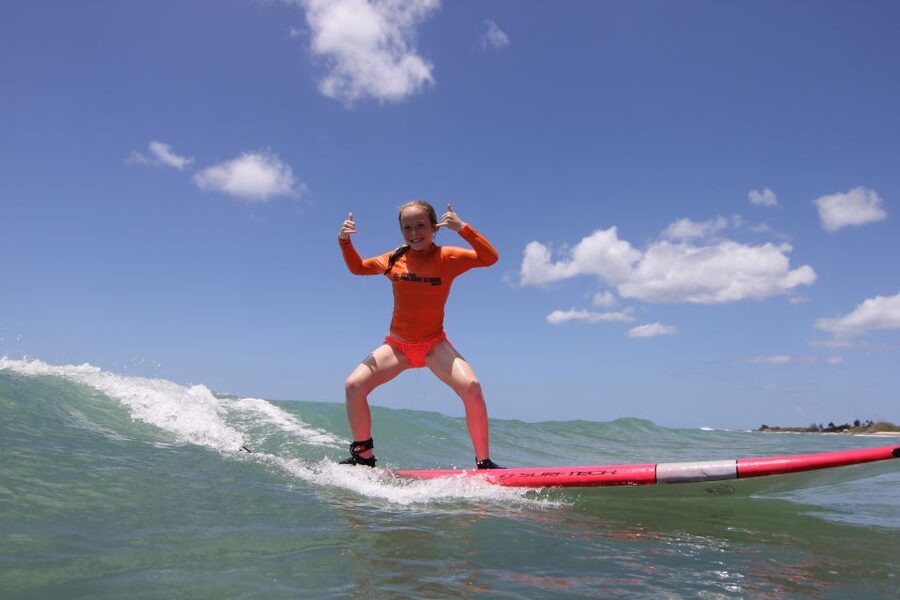
- A quieter beach near Waikiki: You get room to focus on the basics away from the busiest part of Waikiki.
- A useful 20-minute land briefing: Learn about waves, currents, tides, wind, etiquette, safety, and board position before entering the water.
- Hands-on instruction in the ocean: Practice paddling, turning, maneuvering, and standing on the board.
- Equipment is supplied: Your package includes a surfboard, leash, rash guard, reef protection, and booties.
- Good for mixed ability levels: Complete beginners can learn the fundamentals, while experienced surfers can ask about local conditions.
- A two-hour commitment at $156: The price makes the most sense if you value guided coaching, equipment, and a quieter teaching spot.
Why this surf lesson works near Waikiki
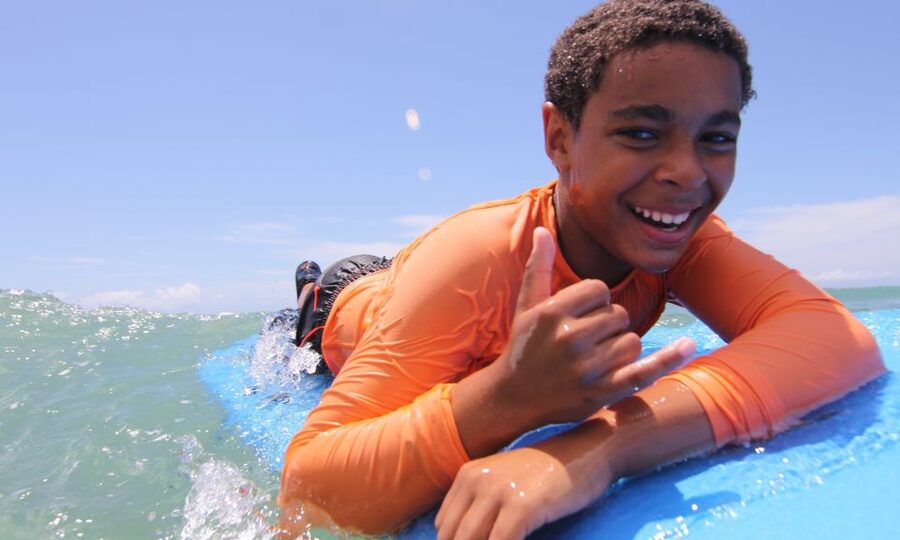
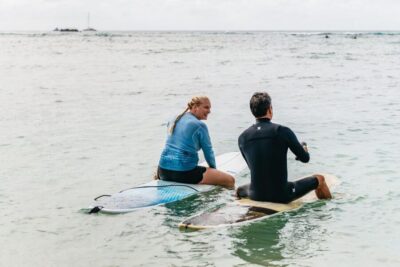
Waikiki is famous for learning to surf, but the famous part can also mean plenty of activity around the water. This lesson takes place at a secluded beach near Waikiki, which gives the session a calmer feel and helps you pay attention to the instructor instead of the crowd.
I like that distinction. For a first lesson, you need to watch the waves, listen for instructions, and think about your board position. A quieter beach can make those early attempts less hectic. It also gives you a better chance to focus on Hawaiian surf culture and the basic courtesy expected in the water.
The lesson is described as semi-private and as a private group activity. The exact group size is not provided, so I would not book this expecting a guaranteed one-on-one session unless you are specifically arranging the private option. Children age 10 and under, along with weak swimmers, are required to take a private one-on-one lesson for safety.
More Private Surf Lessons in Oahu
- Private Surfing Lessons in Waikiki
★ 5.0 · 176 reviews - Oahu Private Surfing Lesson
★ 5.0 · 113 reviews - Private Surf Lesson at Waikiki Beach
★ 5.0 · 107 reviews
The first 20 minutes on land
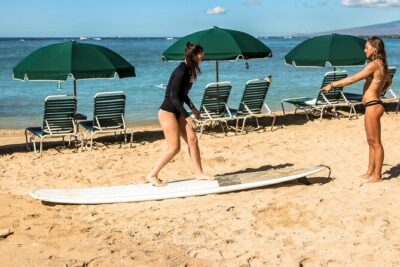
The land portion is short, but it carries a lot of the practical value. Before you pick up a board and head toward the waves, the instructor explains how waves work, along with currents, wind, tides, and water safety.
That matters because surfing is not just about jumping up quickly. You need to understand where to position yourself, how to handle the board, and when it is sensible to move. The briefing also covers surf etiquette, which is especially important when other people are in the water. Basic rules help keep the session safer and make you a more considerate surfer.
You’ll also learn the proper body position for standing up. A rushed or poorly placed foot can send you off balance before the wave has done much work. Getting the movement explained on land lets you rehearse the sequence before trying it in the water.
The instructor then explains how to use the board, leash, and fins. This is a good time to ask questions. If you are nervous about the equipment, the leash, or getting through small breaking waves, speak up before leaving the beach.
Choosing equipment for your level
The school provides the main gear you need: a surfboard, leash, rash guard, reef protection, and booties. You still need to bring a towel and sunscreen.
The equipment selection is based on your personal skill level. That is useful for a first-timer, since the right board can make learning less frustrating. You do not need to arrive knowing which board is best. The instructor gives you guidance and explains how the equipment works.
The rash guard helps cover your upper body during the lesson, while reef protection and booties provide added protection for your feet and body in the water. The supplied gear means you can fit the lesson into a Waikiki day without arranging a separate rental.
Do not forget the simple items. A towel is practical after two hours in the water, and sunscreen matters in Hawaii even when the session feels breezy. Apply it before the lesson and follow any instructions about its use around the water.
Moving from the beach into the water
Once you are equipped, the instructor takes you into the water and explains how to handle waves that are breaking. The lesson then turns from explanation to repetition.
You will practice paddling first. Paddling is easy to underestimate, but it controls your position and helps you catch a wave at the right moment. The instructor also works on turning and maneuvering, giving you the basic tools to guide the board rather than simply ride in a straight line.
The goal is to stand and ride waves. For a complete beginner, even a short ride can feel like a major win. The lesson is designed to help you build toward that moment with a clear sequence: understand the conditions, handle the board, paddle correctly, get into position, and stand up.
I would keep your expectations sensible. Surfing takes practice, and two hours cannot guarantee a polished technique. It can give you a strong first lesson and enough basic skill to understand what to work on next.
More Private Surf Lessons in the USA
- Private Surfing Lessons on the North Shore of Oahu
★ 5.0 · 87 reviews - Private Surf Lesson in Waikiki
★ 5.0 · 83 reviews - 1.5-Hour Semi Private Surfing Lesson in Honolulu
★ 5.0 · 76 reviews - Oahu Semi Private Surfing Lesson
★ 5.0 · 73 reviews
What the instructor adds
The professional instructor is the heart of the activity. The school works with beginners and with more advanced surfers who want help reading local conditions. That range is useful for a couple or small group with different abilities.
If you are new to surfing, ask the instructor to watch your stance and explain the standing movement again if needed. If you already surf, use the session to ask about paddling, turning, and maneuvering in the local water. The lesson is not limited to a single beginner script.
The available instruction is in English. One booking expected Spanish instruction but received the lesson in English, so I would confirm the language directly before paying if Spanish instruction is essential to your plans. This is the clearest issue to check before booking.
The available feedback also points to two qualities that matter: the instructor is attentive and gives helpful tips. Those are more useful than a flashy demonstration. You want someone who notices where your feet are, explains the correction clearly, and keeps an eye on safety while you try again.
Surf culture without a lecture
The session includes an introduction to Hawaiian surf culture, but the supplied details do not promise a long cultural talk or a formal history lesson. Think of it as learning the local way of approaching the water through etiquette, safety, and respect for the surf area.
That practical angle suits the activity. Surf culture is not only about riding a wave. It is also about understanding your position, giving others space, and recognizing that conditions change. The land briefing on waves, currents, winds, and tides helps connect the sport to the place.
I like this part because it gives the lesson more purpose than simply standing on a board for a photo. You are learning how to behave in the water as well as how to move on it.
Is $156 a fair price?
At $156 per person, this is not the cheapest way to get near a beach in Waikiki. You are paying for two hours of professional instruction, a quieter teaching location, and the use of the board and protective equipment.
The value depends on what you need. If you already own gear and only want to try paddling on your own, the price may feel high. If you are a first-time surfer and want an instructor to explain safety, equipment, waves, and technique in one organized session, the cost is easier to justify.
I especially see the value for people who do not want to spend half a vacation day learning by trial and error. The instructor helps you select equipment, teaches the basic movements, and watches you in the water. That guidance can make the first attempt more productive.
The two-hour duration is also easy to fit into a Waikiki stay. It is long enough to include the land session and water practice without turning the whole day into a single activity. Still, you should allow extra time around the lesson for changing, handling your towel and sunscreen, and getting settled. The supplied information does not give a meeting point or transportation details, so confirm those before you go.
Who should book this lesson
I would recommend it most strongly to a first-time surfer who wants structure and direct coaching. The lesson covers the parts that beginners often skip, including water safety, currents, etiquette, equipment, and board positioning.
It also suits a person who wants a quieter setting near Waikiki. The secluded beach is a useful feature if you find crowded water distracting or intimidating. The activity may work well for a private group with mixed ability levels because the instructor can address basic and more advanced goals.
An experienced surfer may also find value here, but mainly if local conditions are unfamiliar. The lesson is not presented as advanced performance coaching. It is better understood as a chance to learn local water conditions while refining paddling, turning, and maneuvering.
I would not choose this activity if you are pregnant, have back problems, or have a mobility impairment. Weak swimmers should not treat this as a casual introduction, and children 10 and under must take the private one-on-one format for safety.
What to bring and what to check
Bring a towel and sunscreen. The school supplies the surfboard, leash, rash guard, reef protection, and booties, so you do not need to arrange those separately.
Before booking, confirm the start time, since several starting times may be available depending on the date. Also confirm the instructional language if you need something other than English.
The activity allows cancellation up to 24 hours before the start for a full refund, and you can reserve now and pay later. Those terms are useful if your Waikiki plans are still shifting, though you should still check the exact booking conditions for your selected time.
Should you book this Waikiki surf lesson?
Book it if you want a focused first lesson, supplied equipment, and a quieter beach near Waikiki. The strong points are practical instruction, a clear land briefing, helpful coaching, and enough water time to try paddling, turning, and standing on a wave.
Think twice if you are looking for a cheap rental, a large social group, or instruction in a language other than English. Also be honest about your swimming ability and physical limits.
For a beginner who wants to learn the right habits from the start, this is a sensible two-hour introduction to surfing in Hawaii. The secluded setting and attentive coaching are the reasons to choose it, while the $156 price and language concern are the points to weigh carefully.
FAQ
How long is the surfing lesson?
The lesson lasts two hours, including a 20-minute land session and time in the water.
Where does the lesson take place?
It takes place at a secluded beach near Waikiki in Hawaii.
What will I learn before entering the water?
You will learn about waves, currents, winds, tides, surf etiquette, water safety, and the correct position for standing on the board.
What surfing equipment is included?
The activity includes a surfboard, leash, rash guard, reef protection, and booties.
What should I bring?
Bring a towel and sunscreen.
Is the lesson taught in English?
Yes. The listed instructional language is English. If you require another language, confirm this before booking.
Can children and weak swimmers join?
Children age 10 and under and weak swimmers must take a private one-on-one lesson for safety reasons. Pregnant women, people with back problems, and people with mobility impairments are not suitable for this activity.
More Two-Hour Experiences in Oahu
- Oahu: Waikiki 2-Hour Beginner Group Surf Lesson
★ 4.9 · 191 reviews - Group Surf Lesson: Two Hours Of Beginners Instruction
★ 5.0 · 32 reviews - Private Surfing Lesson: Two Hours of Beginner Instruction
★ 4.5 · 17 reviews - Waikiki 2 Hours Private Guided Surf Lesson
★ 3.5 · 8 reviews
Just added for surfers in Oahu
- Surf Honolulu: Ala Moana Stand-up Paddleboard Lesson★ 5.0 · 3 reviews
- Semi-Private Surfing Lesson in Waikiki, Oahu★ 5.0 · 26 reviews
- Waikiki 2 Hours Private Guided Surf Lesson★ 3.5 · 8 reviews
- Surf Lessons on the North Shore Great for Families and all Ages★ 5.0 · 27 reviews
- Surf Activity on the Wai Kai Wave in Ewa Beach★ 5.0 · 8 reviews
- Learn to surf with a local big wave rider on the North Shore of Oahu★ 4.5 · 10 reviews
- Private Group Surf Lesson★ 5.0 · 47 reviews
- Semi-Private Surf Lesson★ 5.0 · 17 reviews
Oahu Surf Lessons, compared.
Beginner-Friendly Waikiki Beach Surfing Lesson
Read our review →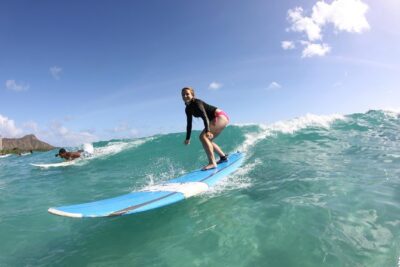

Family, Private & Group Surfing Lessons, Waikiki Courtesy Shuttle
Read our review →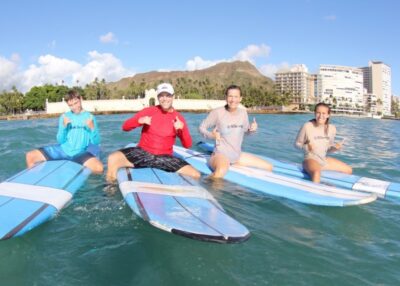
Browse the lists this tour appears in